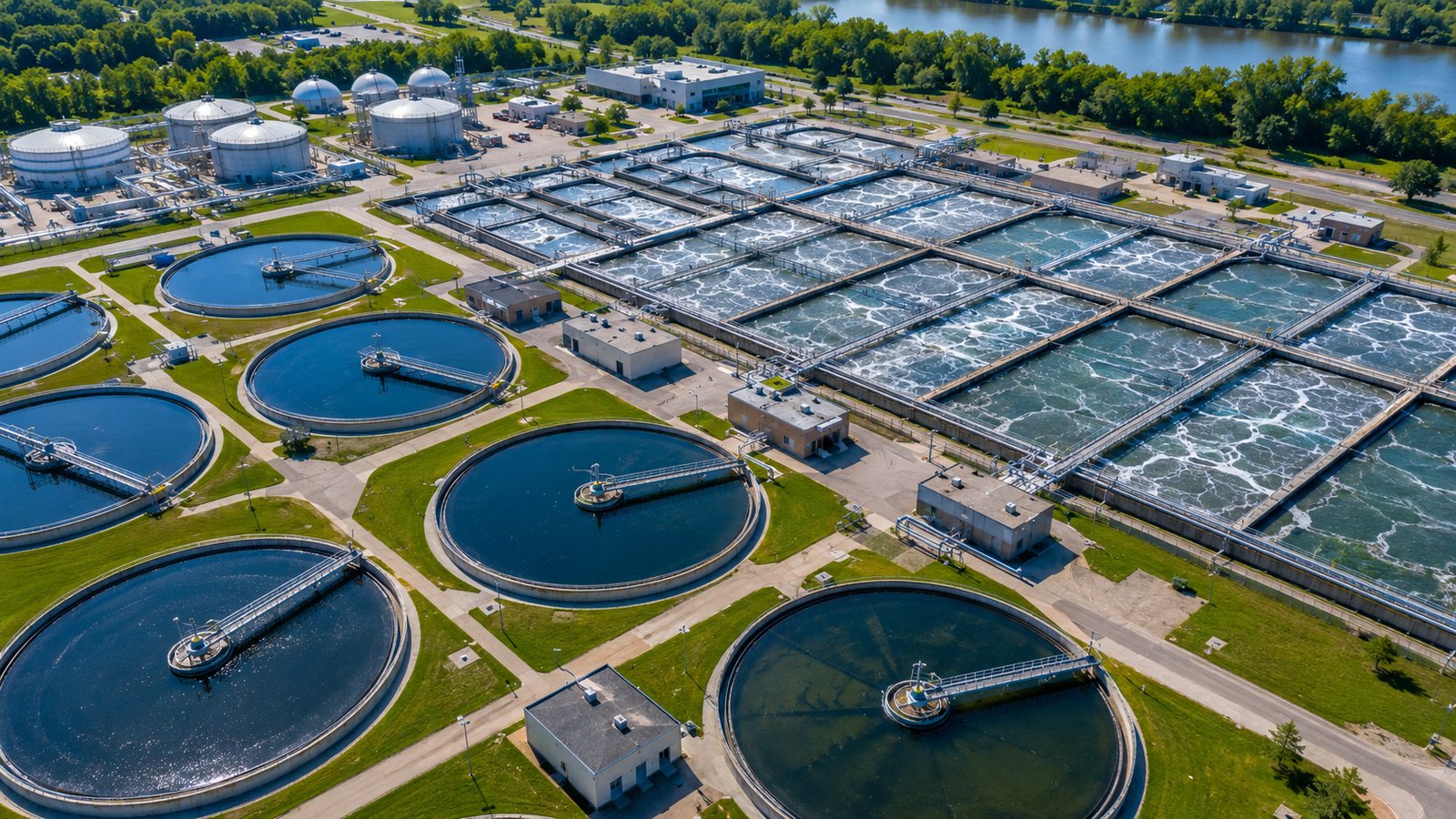
Municipal & Industrial
Drinking water clarification, wastewater solids and metals, process water, and water reuse.
Learn more
Advanced chemical treatment solutions for utilities, industry, and agriculture. Explore each program in detail.
Jenfitch offers five treatment programs: coagulation and flocculation, organo-clay technology, mineral oxychloride technology, struvite and vivianite control, and metal removal. Where the mineral oxychloride chemistry is used, feed rate is set by oxidation-reduction potential in millivolts, so dosing ties directly to disinfection performance rather than ppm alone. Roughly +600 mV establishes a disinfection barrier.
Approved, certified & independently validated
 EPA FIFRA
 USDA Organic
 NSF/ANSI
The Full Offering
Jenfitch delivers a focused family of treatment programs built to solve the problems conventional chemistry struggles with — from clarifying drinking water to breaking oily emulsions, from destroying biofilm to pulling dissolved metals below discharge limits.
Across all five programs, the common thread is precision. Where our mineral oxychloride chemistry is used, feed rate is managed by oxidation-reduction potential (ORP) in millivolts, giving operators a real-time control point that ties dosing directly to disinfection performance.
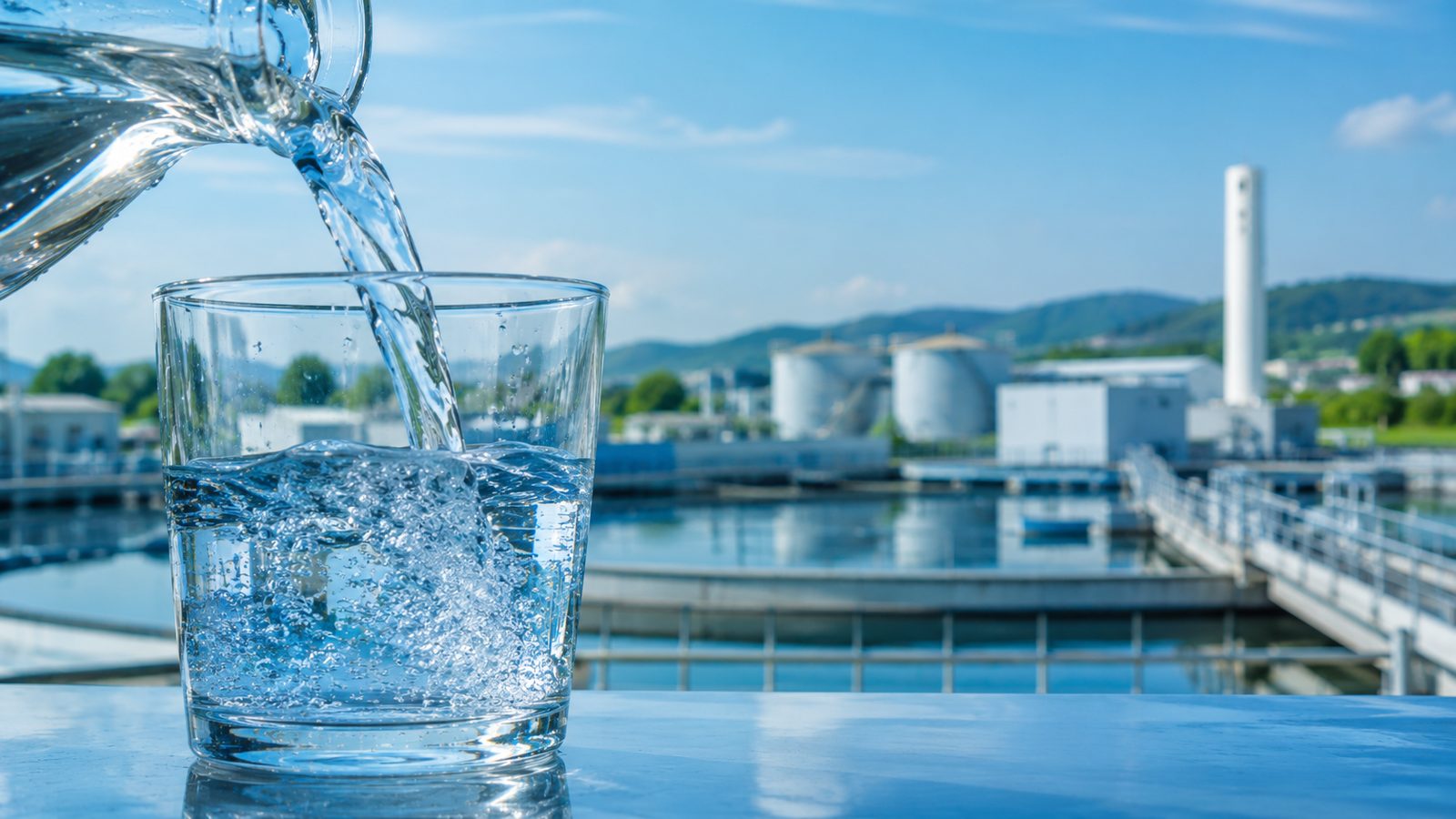
Cationic coagulants (JC 1687) and flocculants neutralize particle charge and bind solids into dense, fast-settling floc — for potable, industrial, and wastewater systems.
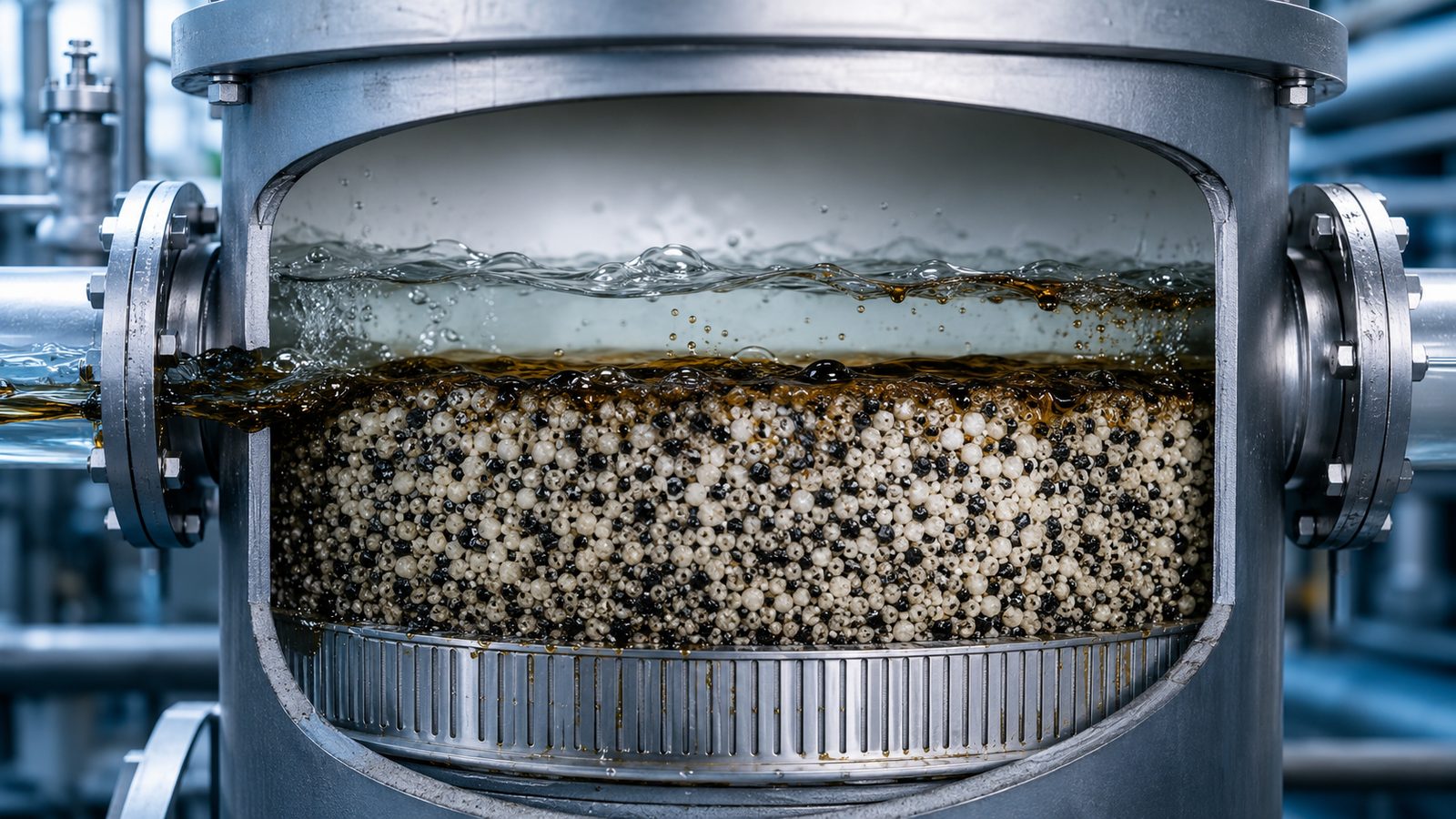
Organically-modified clay media adsorbs oil, grease, and hydrophobic organics from water — ideal for oily wastewater, produced-water polishing, and membrane pretreatment.
A chemical AOP that releases reactive oxygen species with an oxidation potential of 2.8–2.9 V — greater than ozone, at less than 1% of the cost of an ozone system.
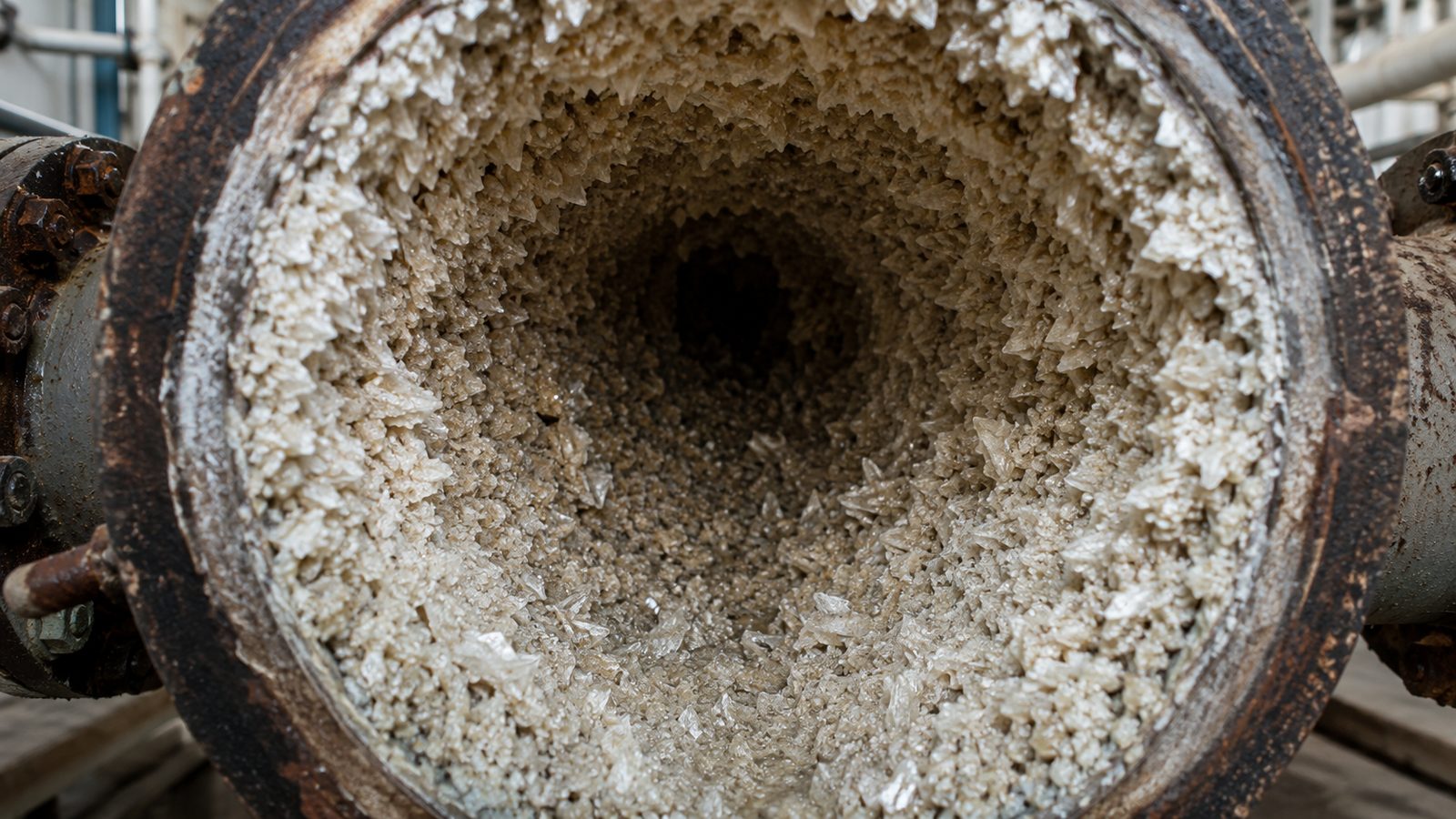
Prevent and control struvite and vivianite scale that fouls digesters, pumps, pipes, and dewatering equipment — protecting equipment and cutting maintenance downtime.
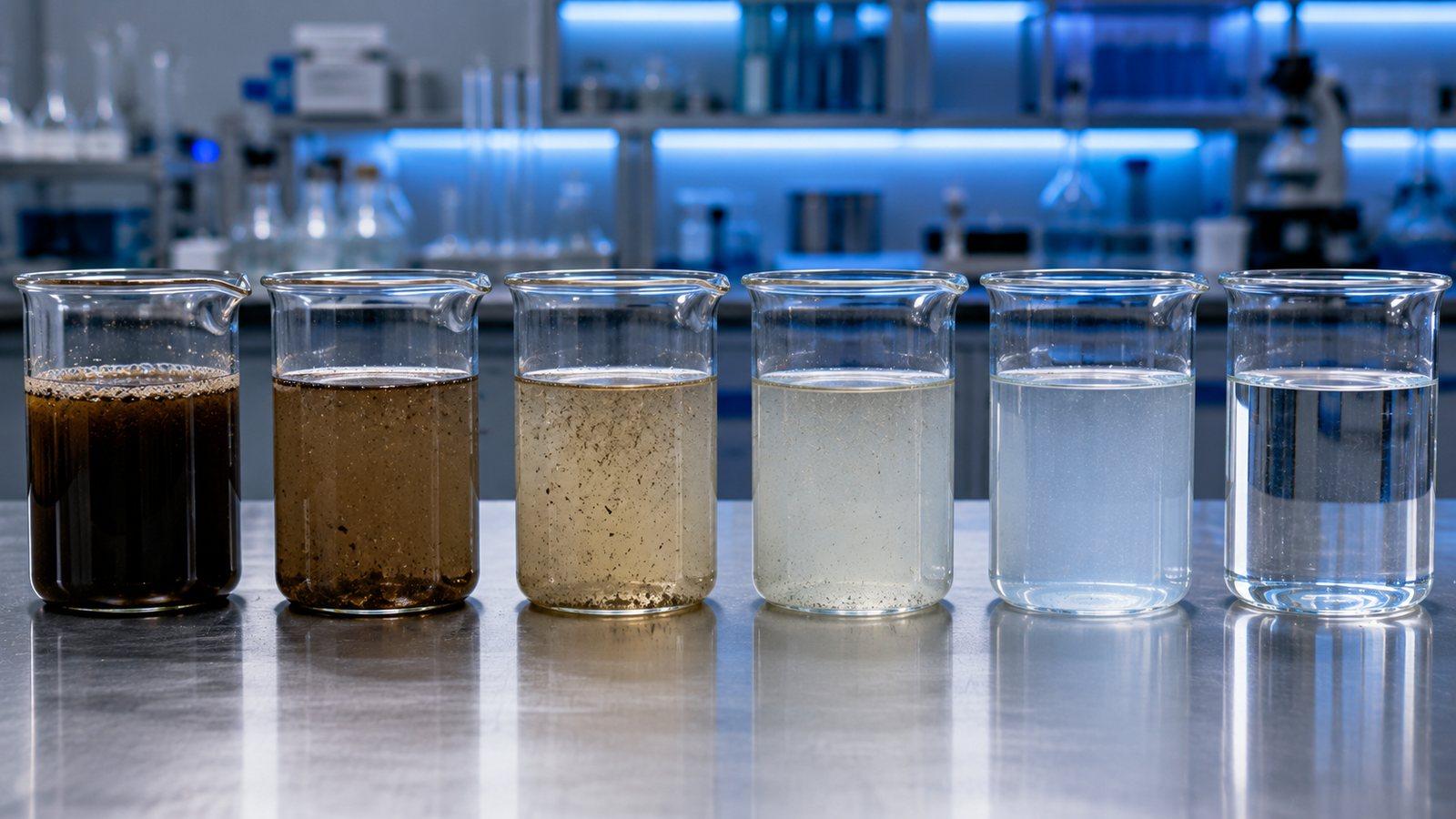
JC 9830 metal precipitant plus JC 1687 coagulant removed 94% of dissolved copper and about 70% of dissolved zinc in a full-scale municipal trial, and convert hexavalent to trivalent chrome.
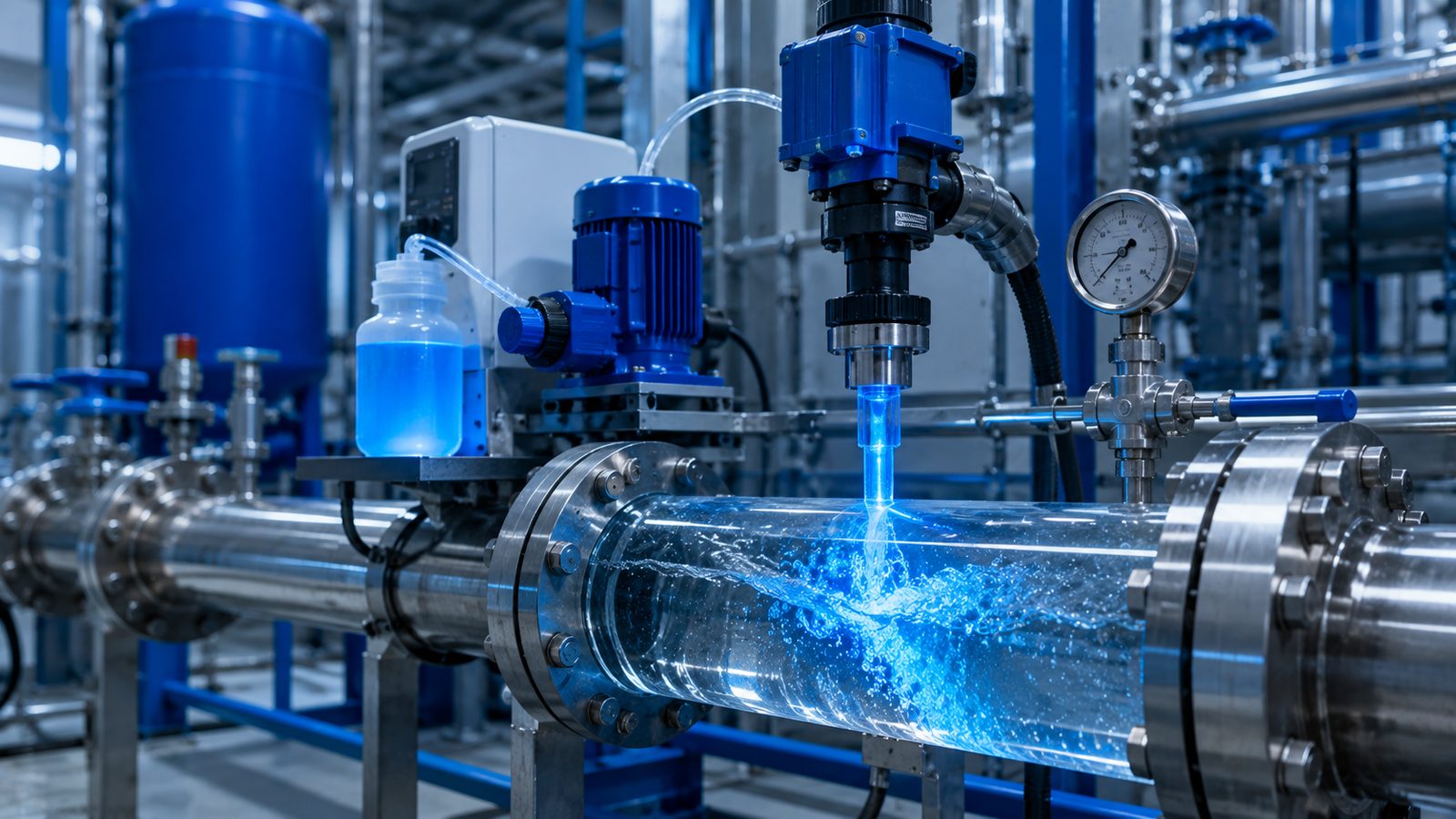
The ORP-Controlled Approach
Oxidation-reduction potential (ORP), measured in millivolts, is the practical control tool for our mineral oxychloride chemistry. Rather than dosing by ppm alone, operators hold a target ORP — and because kill efficacy tracks ORP, that target maps directly to disinfection performance.
Markets Served
Drinking water clarification, wastewater solids and metals, process water, and water reuse.
Learn more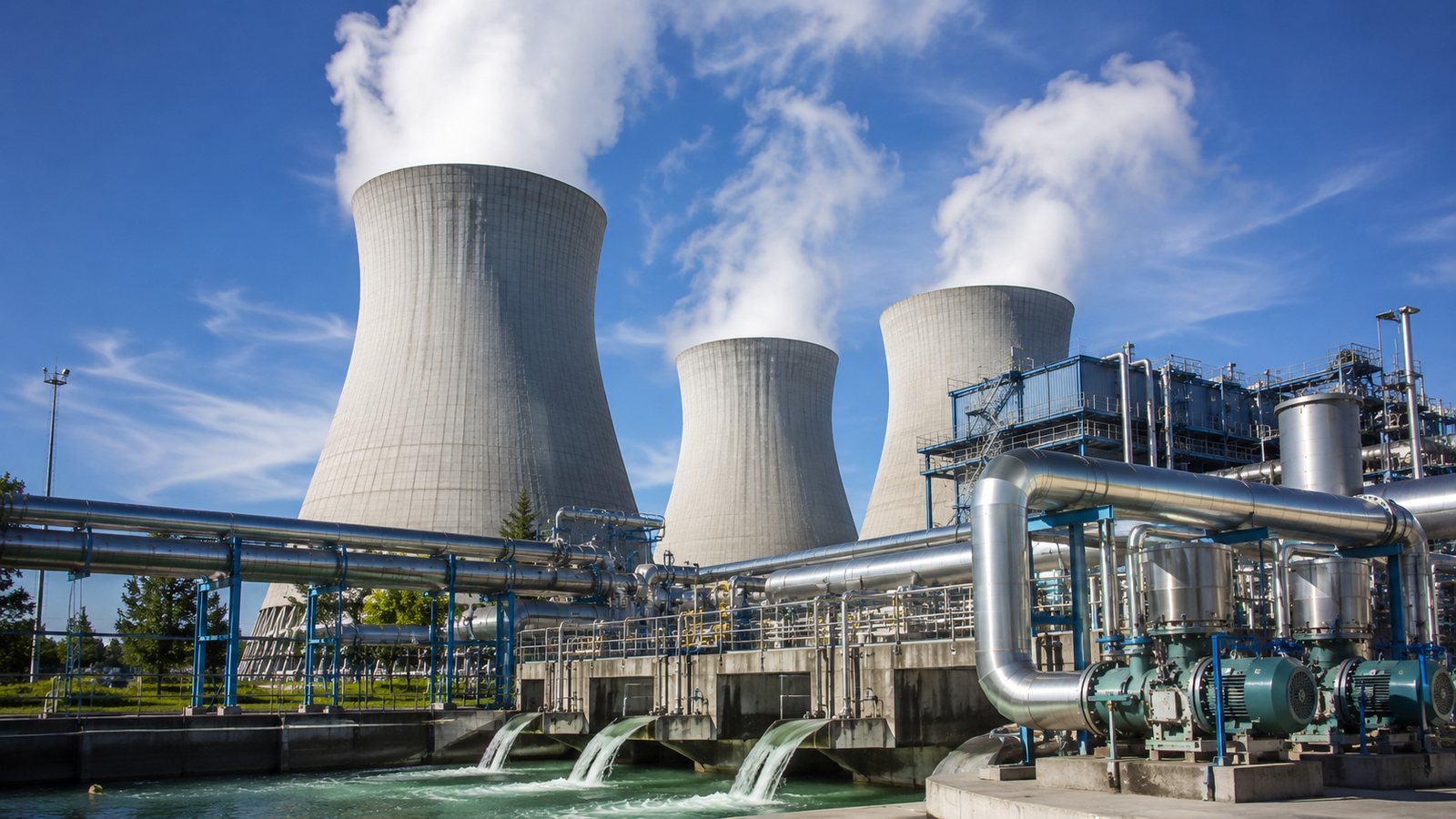
Single-chemical, ORP-controlled control of biofilm, algae, scale, corrosion, and Legionella risk.
Learn more
H₂S and iron-sulfide control, produced-water treatment, and stripper-well output gains.
Learn more
Crop-yield gains, in-field and post-harvest disinfection, and E. coli / Salmonella control.
Learn moreHow an Engagement Works
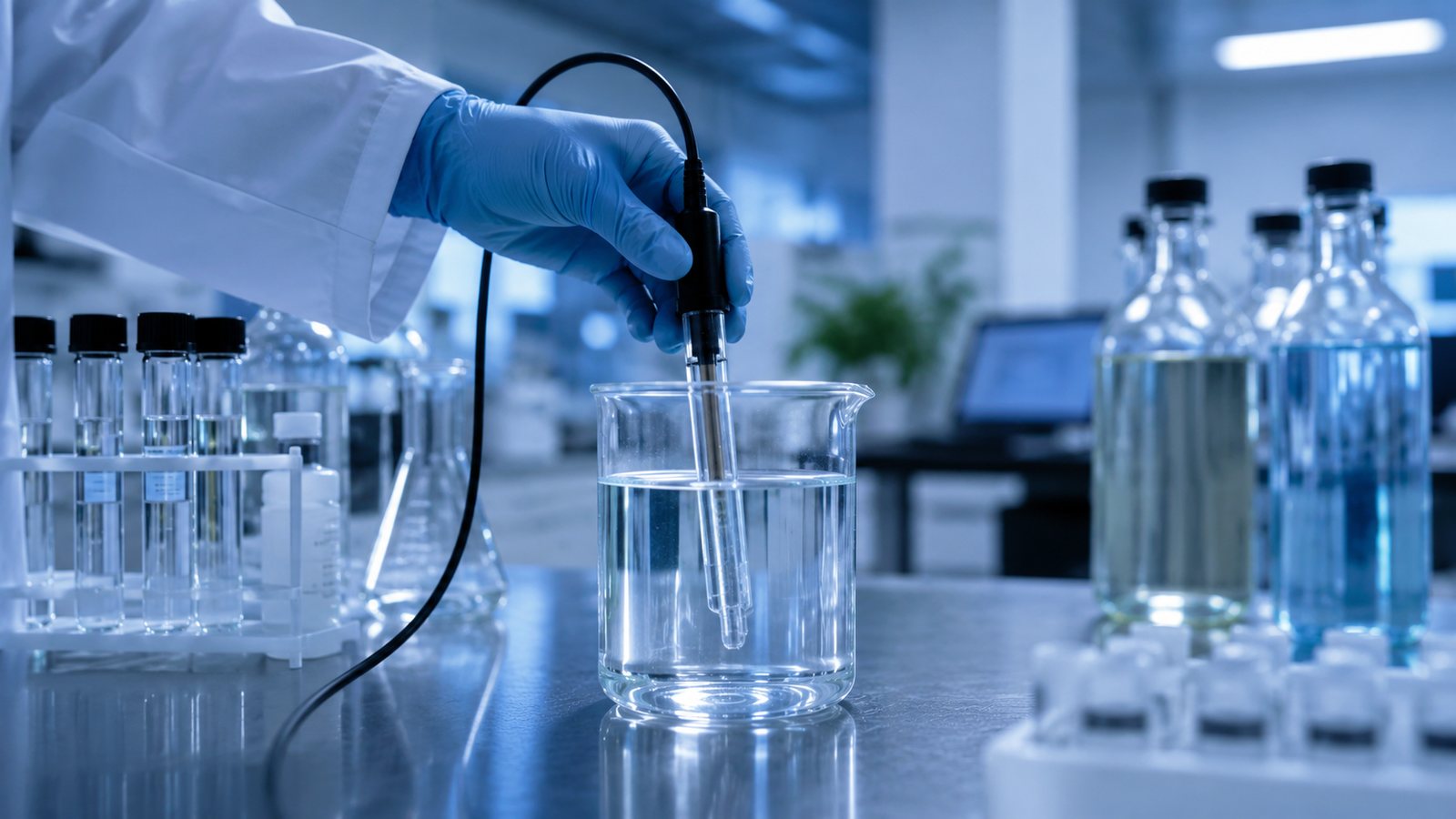
We review your water chemistry, application, and goals, then run a bench study to confirm the right program and dosing — supported by safety data sheets and aquatic-toxicity reports.
Learn moreWe move to a pilot on your system to validate performance under real conditions, dial in ORP targets and feed rates, and quantify results before scaling up.
Learn moreWe support full-scale rollout with dosing guidance, SDS and labels, and ongoing technical help — so the program keeps performing after commissioning.
Learn moreEvery engagement comes with safety data sheets (SDS), product labels, and aquatic-toxicity reports so your team can evaluate, permit, and operate the program with confidence.
Frequently Asked Questions
Start with a conversation about your water chemistry, application, and goals. From there we typically run a bench study, then a pilot on your system, to confirm the right chemistry and dosing before full-scale rollout. Reach out for quotes, SDS, and project scoping.
Our mineral oxychloride chemistry is dosed to a target oxidation-reduction potential (measured in millivolts) rather than by ppm alone. Because kill efficacy tracks ORP, holding roughly +600 mV creates a disinfection barrier and +700 mV delivers a 6-log kill in under 10 seconds.
Yes. In a full-scale, year-long municipal trial, a JC 9830 and JC 1687 program removed 94% of dissolved copper and about 70% of dissolved zinc, bringing effluent copper below the discharge limit. JC 9830 is fed to form a dense metal-sulfide precipitate and the cationic coagulant JC 1687 neutralizes particle charge so the solids bind into fast-settling floc. Sulfide precipitation works over a broad pH range and where chelating agents block conventional hydroxide precipitation.
Yes. Engagements include safety data sheets (SDS), product labels, and aquatic-toxicity reports to support evaluation, permitting, and day-to-day operation. Safety data sheets cover handling, storage, and protective equipment. Product labels state the approved uses and directions that govern how a product may be applied. Aquatic-toxicity reports give the receiving-water information permit reviewers commonly ask for. The package is assembled so engineering, safety, and regulatory reviewers can assess a program before it goes into service.
For equivalent oxidation, our mineral oxychloride chemistry delivers ozone-class performance at less than 1% of the cost of a conventional ozone system, without the capital expense of dissolving a gas into water. It is a chemical advanced oxidation process that releases reactive oxygen species with an oxidation potential of 2.8-2.9 V, greater than ozone. Because the chemistry is fed as a liquid, the saving comes from avoided equipment as well as from operating cost.