Home / Research / Agricultural Research
Agricultural Research
Field studies on crop yield, food safety, post-harvest disinfection, shelf-life, and pathogen control using JC 9465 reactive oxygen species technology.
Highlights
What results appear in field and packhouse?
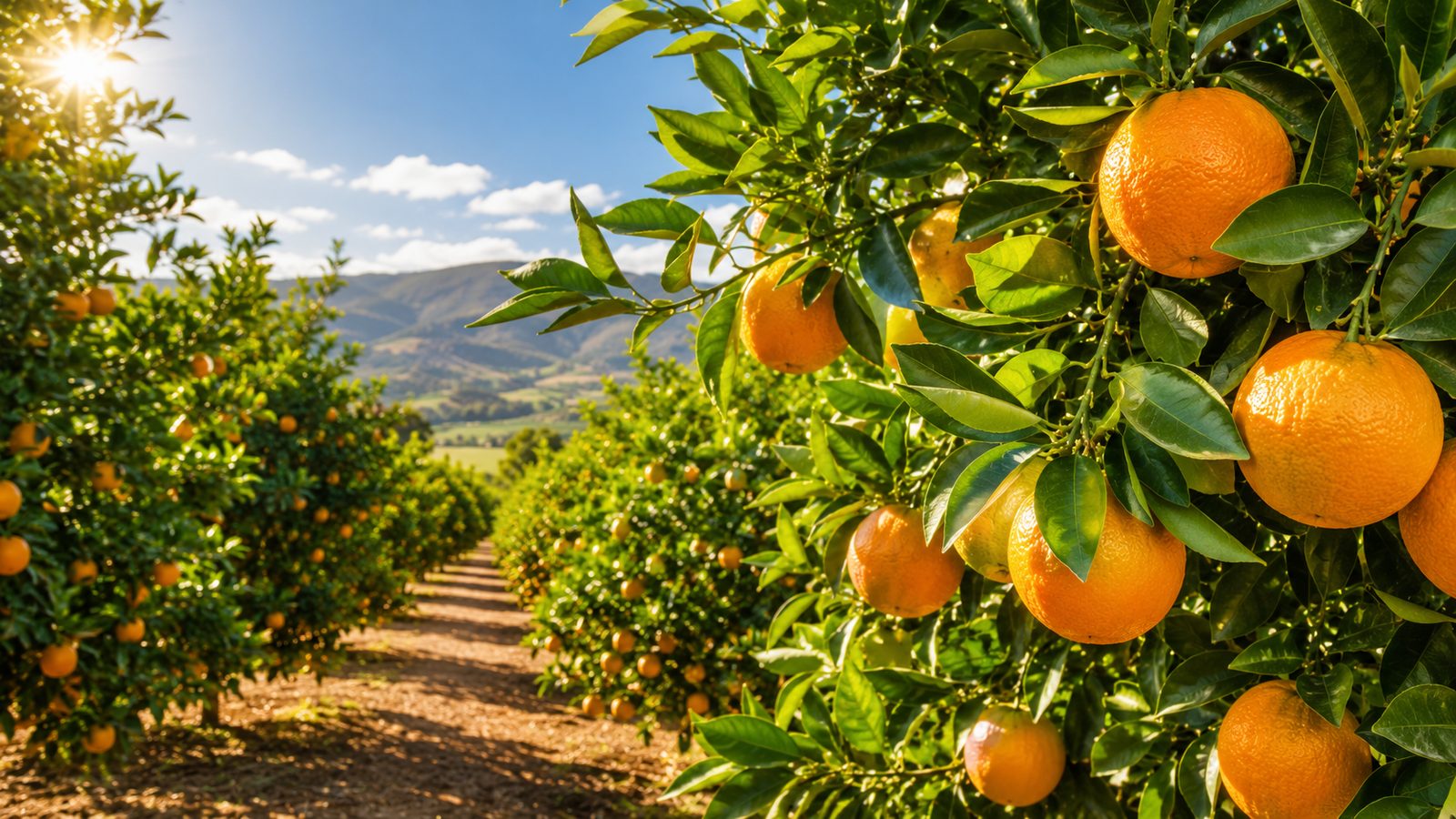
+49%Vineyard yield (foliar)
50%Less sour rot
6-logPathogen kill in <10 sec
99.99%Bacteria & viruses inactivated
Emerging plant-disease work
How does Jenfitch handle Xylella and Bakanae?
Xylella fastidiosa — European olives
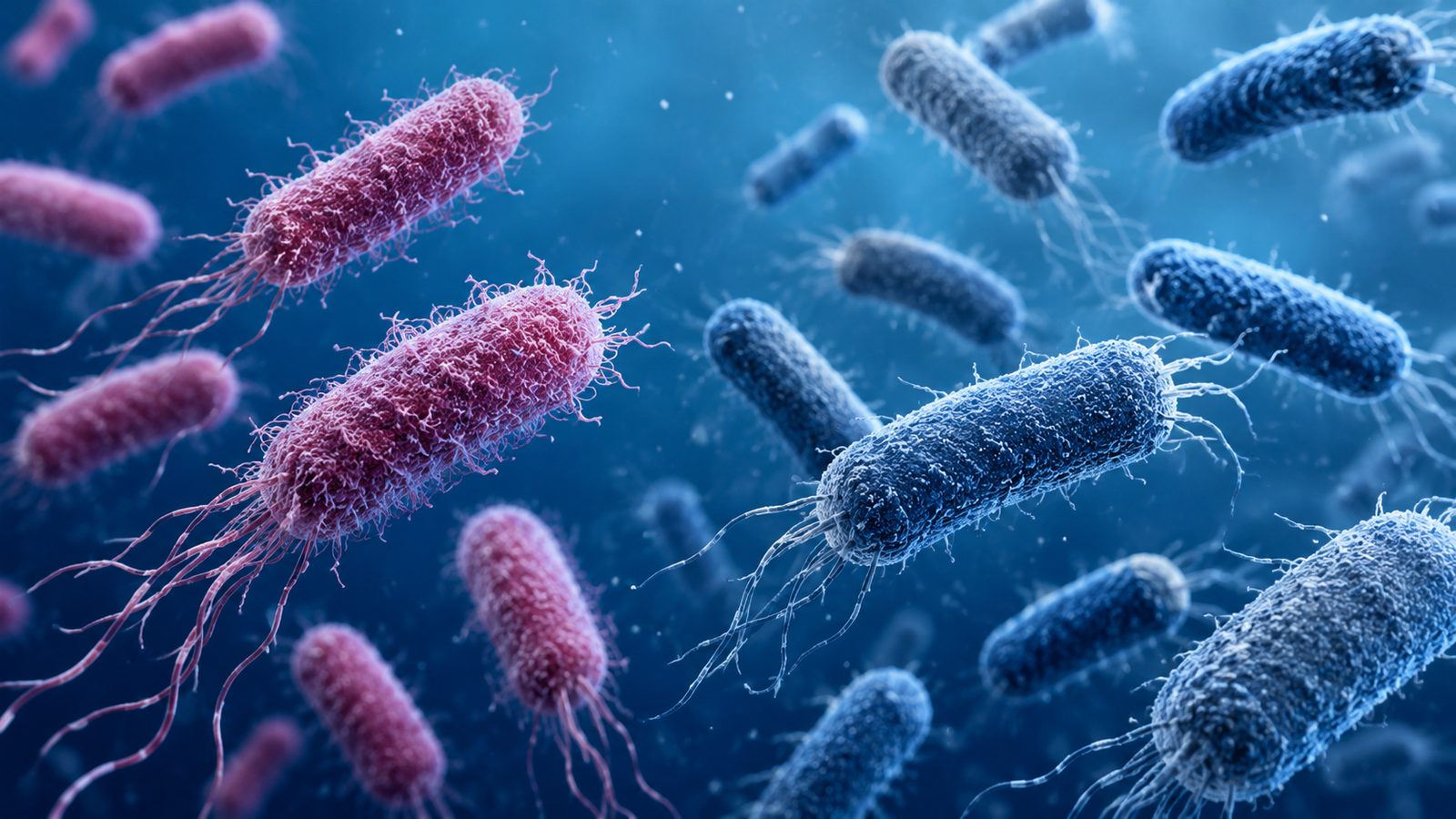
Xylella clogs olive xylem by building a protective biofilm. The hydroxyl radicals generated by JC 9465 break down the biofilm's EPS matrix, then oxidize the bacterial DNA. Results have been positive and PCR-based trials are expanding.
Bakanae — rice (SE Asia)
Bakanae disease (Fusarium fujikuroi) typically causes around 30% yield loss in Southeast Asian rice. In Jenfitch trials, loss was reduced to below 10%.
Food safety
A 6-log kill in under 10 seconds.
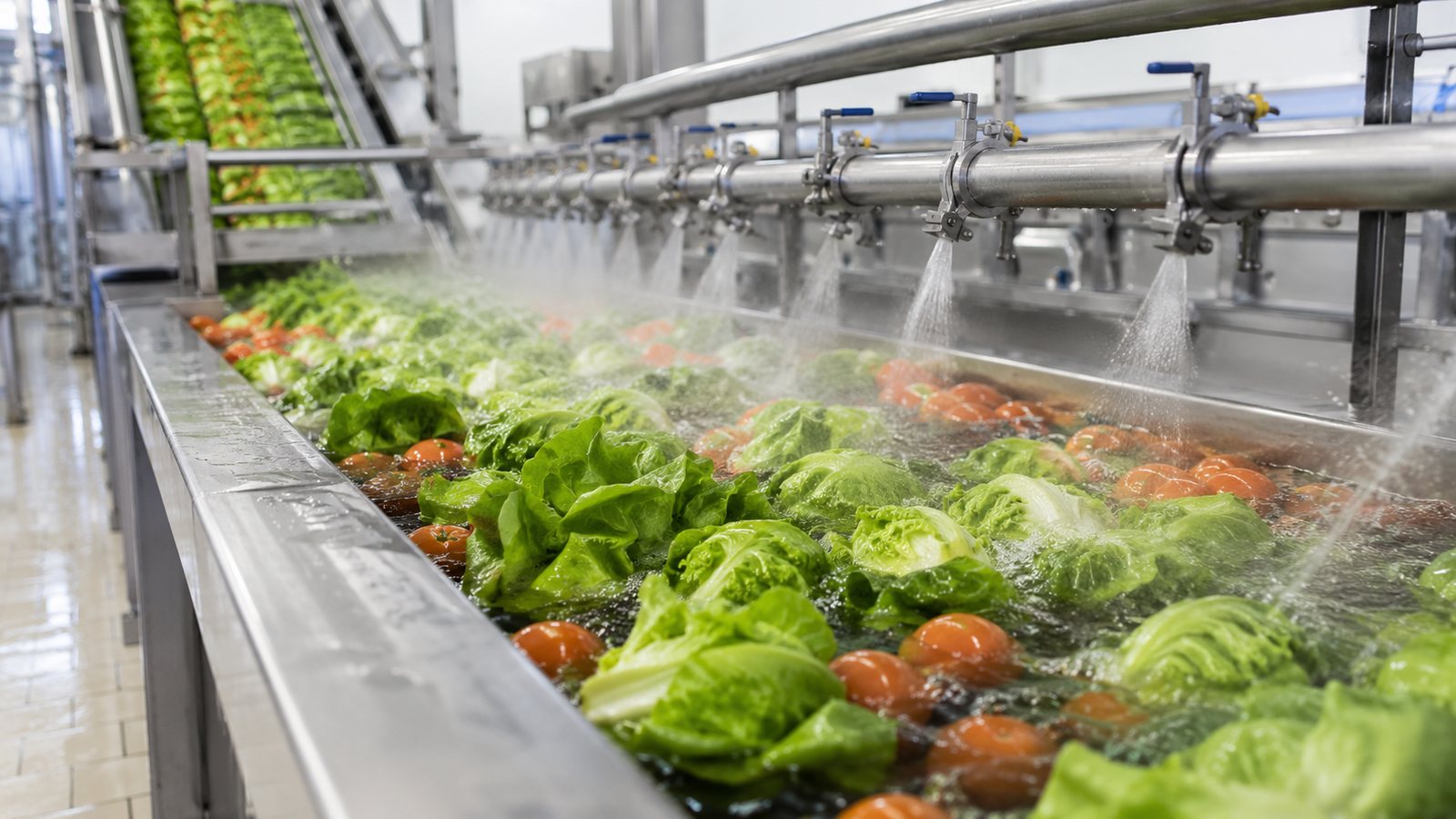
In UC Davis Post-Harvest testing, JC 9465 delivered a 6-log CFU reduction in under 10 seconds against E. coli, Listeria and Salmonella when held at +700 mV ORP. University of Washington work showed it eliminates cross-contamination during apple harvesting — a critical control point for post-harvest wash and hydro-cooler operations.
Across trials, crop-yield gains have ranged from 30% to 60%. The technology is also in use beyond row crops: aquaculture programs in Norway and Louisiana, and Canadian dairy hoof-disease studies. Because it works by oxidation rather than a persistent chemical residue, it extends shelf life without changing taste.
i
Disinfection barrier
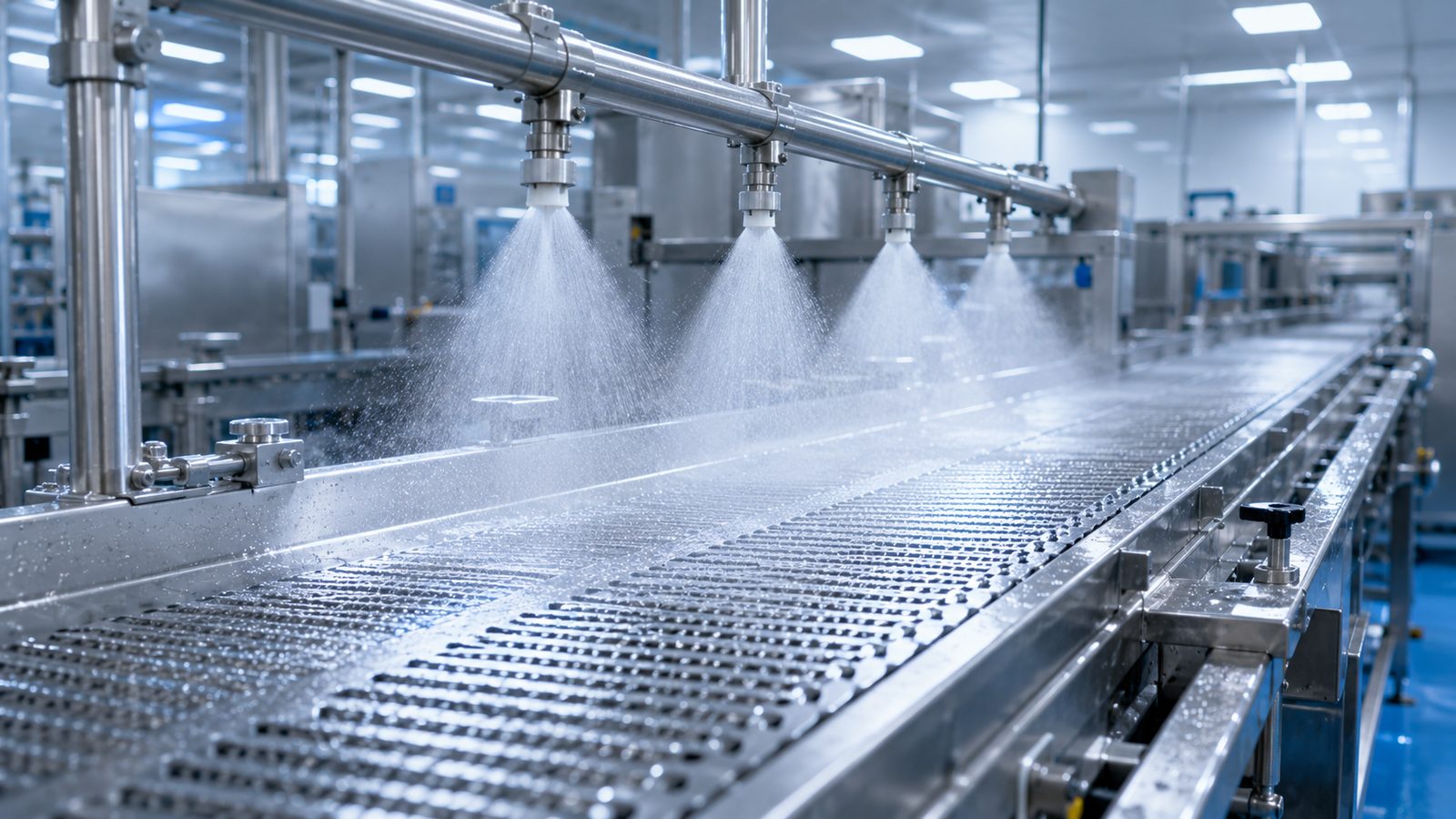
Held between +650 mV and +750 mV, JC 9465 creates a food-safety disinfection barrier for field harvesting, wash lines, hydro-coolers and ice — inactivating spoilage organisms as ROS-treated ice melts.