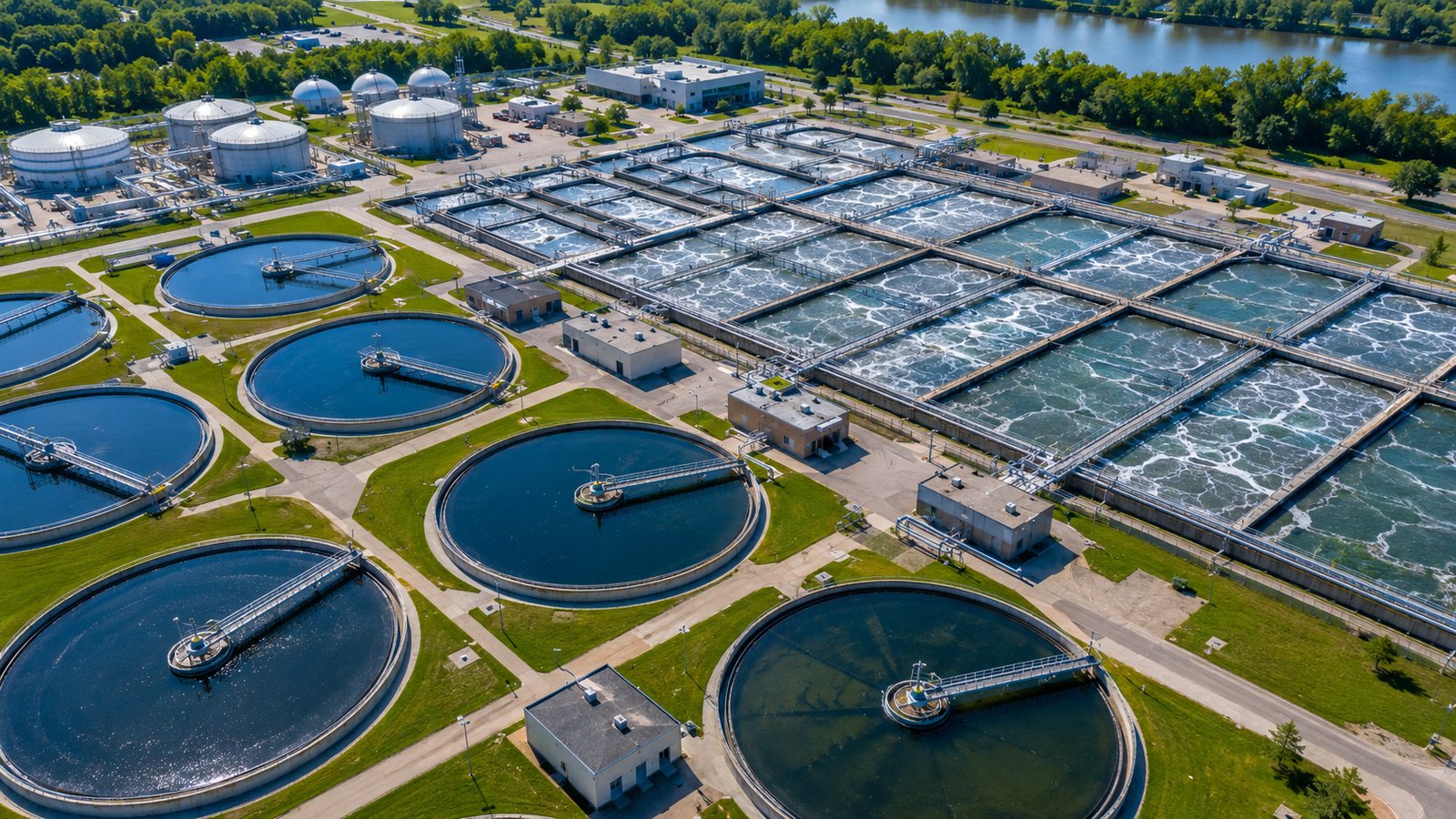



Coagulation & Flocculation

Coagulants and flocculants for potable, industrial, and wastewater systems — neutralizing charge and building dense, fast-settling floc for cleaner water and better liquid-solid separation.

Coagulation and flocculation are the two steps that clear water. A coagulant neutralizes the like charges that hold suspended particles apart, then flocculation binds those destabilized particles into dense, fast-settling floc. Jenfitch supplies JC 1687, a cationic organic/inorganic coagulant that builds a dense particle and improves the settling of precipitates in potable, industrial, and wastewater systems.

Approved, certified & independently validated

UC DavisUniversity of WashingtonSpecial Pathogen LaboratoryMontana State UniversitySawtooth Ag ResearchGreenAgri SolutionsSouthern California EdisonGoleta Water District

The Fundamentals

What are coagulation and flocculation?

Coagulation

Suspended particles in water carry a like electrical charge, so they repel one another and stay in suspension — keeping the water turbid. A coagulant neutralizes that charge, letting the destabilized particles begin to come together instead of pushing apart.
Flocculation

Once the charge is neutralized, flocculation binds the particles into larger, denser aggregates — floc — that settle quickly. The denser the floc, the faster and cleaner the separation in clarifiers, filters, and dewatering equipment.

i

Jenfitch coagulant: JC 1687

JC 1687 is a cationic organic/inorganic coagulant that builds a dense particle and markedly improves the settling of precipitates — the same product used in our metal-removal programs to drop out precipitated copper and zinc.

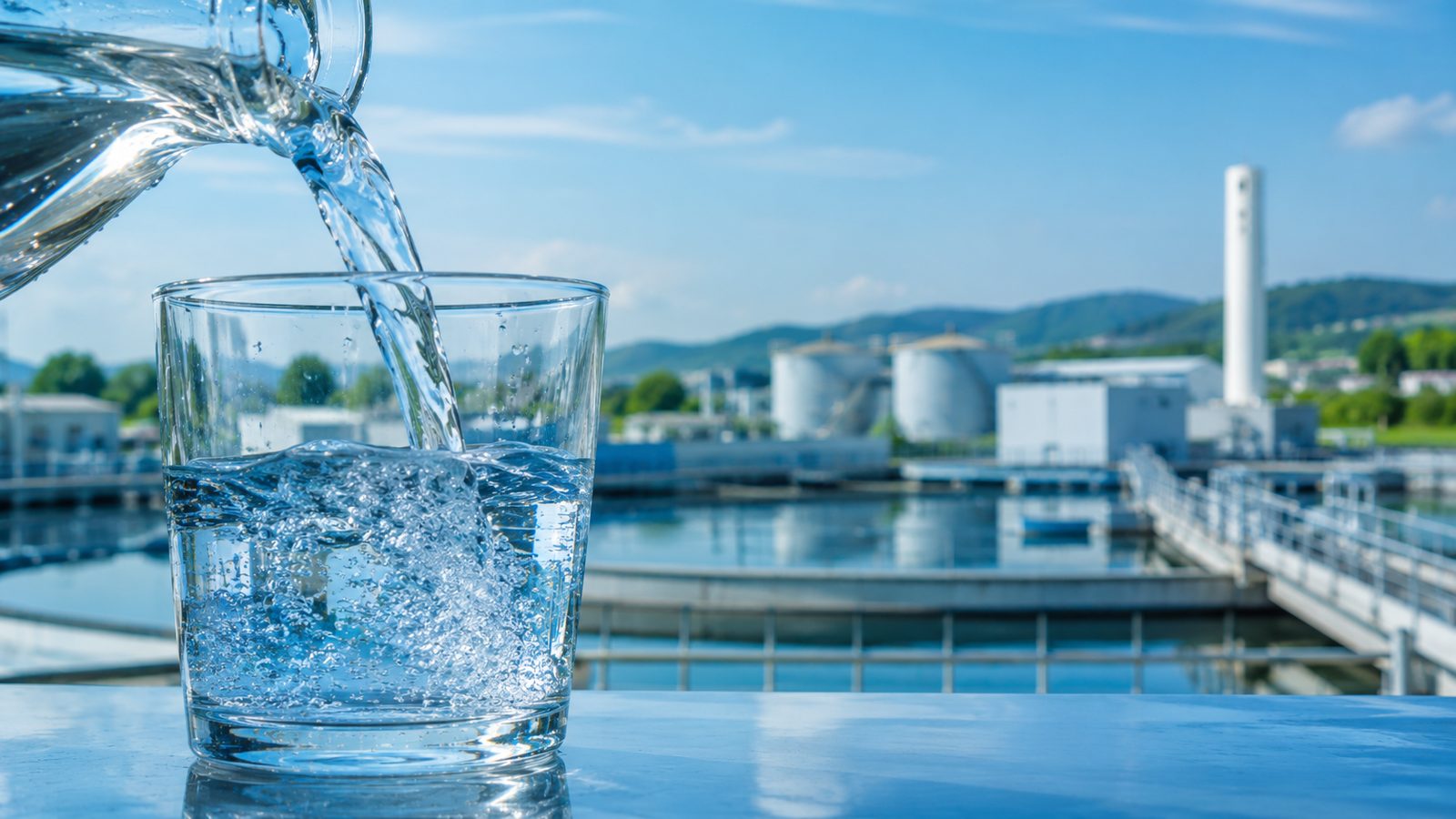
Clarified water for reuse

Why It Matters

Why does denser floc lower cost?

Charge neutralization followed by dense-floc formation is what turns cloudy, solids-laden water into a clear supernatant and a compact, dewaterable sludge. Getting the floc right lowers turbidity, cuts filter loading, and reduces the volume of sludge a plant has to handle and dispose of.

By increasing molecular weight and neutralizing charged particles, our coagulants improve settled-water clarity while lowering both dissolved and insoluble total organic carbon — a direct benefit to downstream disinfection and reuse.

See JC 1687 in the metal-removal program

The Process

How does a Jenfitch program come together?

  • Characterize the water — identify the particle charge, turbidity, organic load, and any precipitates that need to settle.
  • Neutralize the charge — dose the cationic coagulant (JC 1687) to destabilize suspended particles.
  • Build the floc — a flocculant binds the destabilized particles into dense, fast-settling aggregates.
  • Separate the solids — capture the floc in the clarifier, filter, or dewatering system for a clear effluent and a compact sludge.
  • Optimize the dose — tune chemistry to the stream to hold quality targets at the lowest cost.

Three paths

Cleaner water, lower organics, better separation.

Applications

Where does coagulation and flocculation earn its keep?

Wastewater solids

Sharpen settling and clarity in secondary clarifiers and tertiary filtration, and improve drainage in dewatering systems.

Industrial process water

Clarify recycle and process streams so they can be reused, cutting fresh-water draw and discharge volume.

Metal-precipitate settling

Pair JC 1687 with the JC 9830 metal precipitant to settle copper-sulfide and other metal precipitates cleanly in the clarifier.

Improved water clarity

Case Study

A new coagulant improves water quality.

In the Jenfitch case study “New Coagulant Improves Water Quality,” introducing a new coagulant improved clarity and settling performance — the same cationic coagulant chemistry that pairs with JC 9830 to remove dissolved metals downstream.

The takeaway is consistent across sites: matching coagulant chemistry to the water, rather than defaulting to a generic dose, produces denser floc, clearer water, and lower operating cost.

Ask us about a jar test

Questions

Coagulation & flocculation, explained.

What is the difference between coagulation and flocculation?

Coagulation neutralizes the electrical charge that keeps suspended particles apart, allowing them to come together. Suspended particles carry a like charge, so they repel one another and stay in suspension, keeping the water turbid. Flocculation then binds those destabilized particles into larger, denser floc that settles quickly. Coagulation destabilizes; flocculation aggregates. The denser the floc, the faster and cleaner the separation in clarifiers, filters, and dewatering equipment.

What coagulant does Jenfitch use?

JC 1687, a cationic organic/inorganic coagulant that builds a dense particle and markedly improves the settling of precipitates. It is used both in clarification programs and, paired with JC 9830, in metal removal, where it drops out precipitated copper and zinc. Building a denser particle means the floc settles faster, which lowers turbidity, cuts filter loading, and reduces the volume of sludge a plant has to handle and dispose of.

Can this help me meet turbidity and TOC targets?

Yes. By increasing particle density and settling rate and by neutralizing charged particles, the program improves settled and finished-water turbidity and lowers both dissolved and insoluble total organic carbon, which also reduces THM and HAA5 precursors. Charge neutralization followed by dense-floc formation is what turns cloudy, solids-laden water into a clear supernatant and a compact, dewaterable sludge, so filters see less loading and the plant handles less sludge.

How does this connect to metal removal?

The same JC 1687 coagulant settles the metal-sulfide precipitate formed by JC 9830, so coagulation and flocculation is the settling half of the copper- and zinc-removal program. JC 9830 forms the precipitate; JC 1687 neutralizes the charge on those particles and builds them into a dense floc that drops out quickly. Without that second step the precipitated copper and zinc would stay suspended and carry through the clarifier.

Let's talk water.

Need reliable treatment for an industrial facility, municipality, agricultural operation, or food process? We can help with quotes, safety data sheets, technical questions, and project scoping.

Contact Us