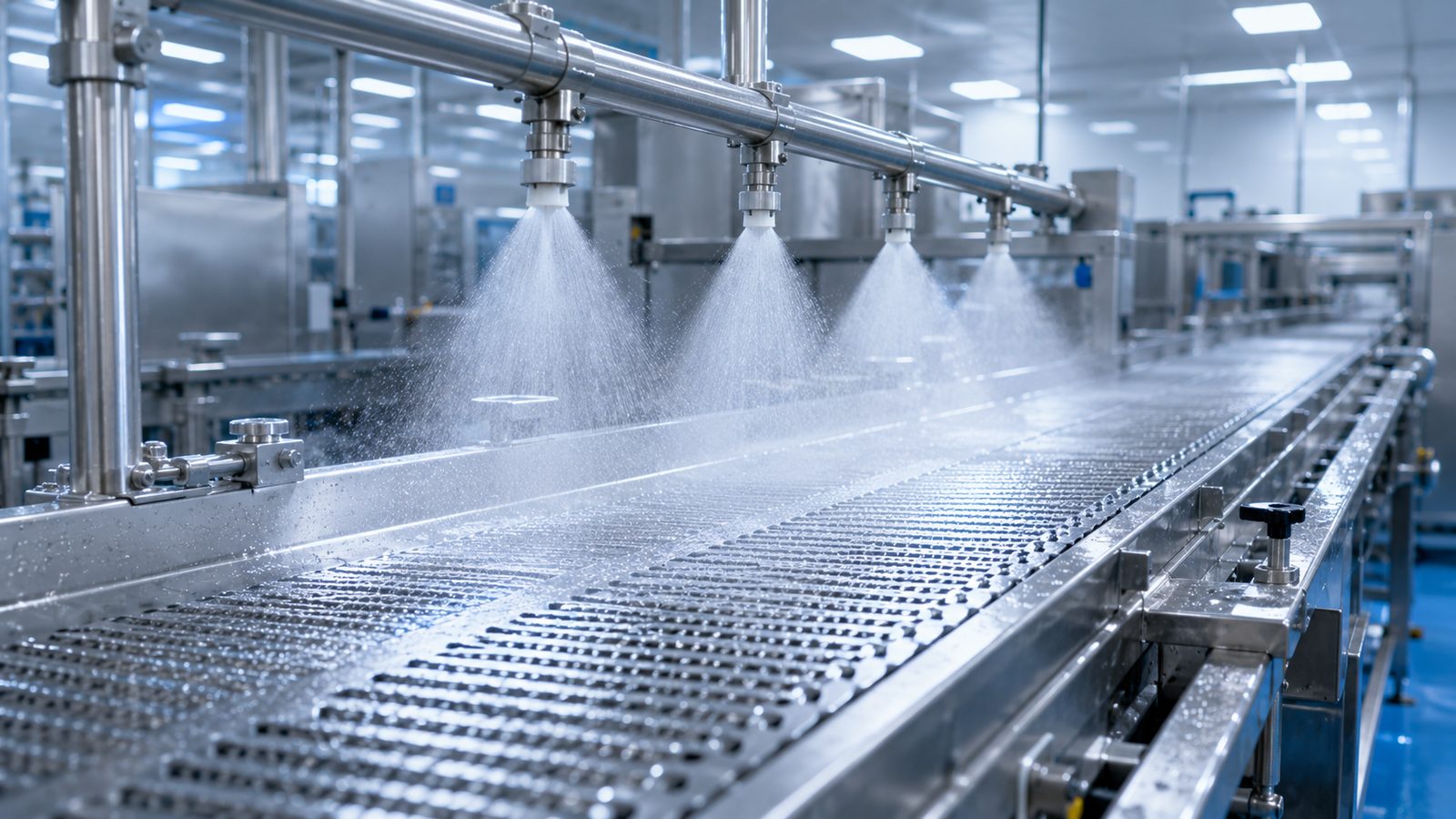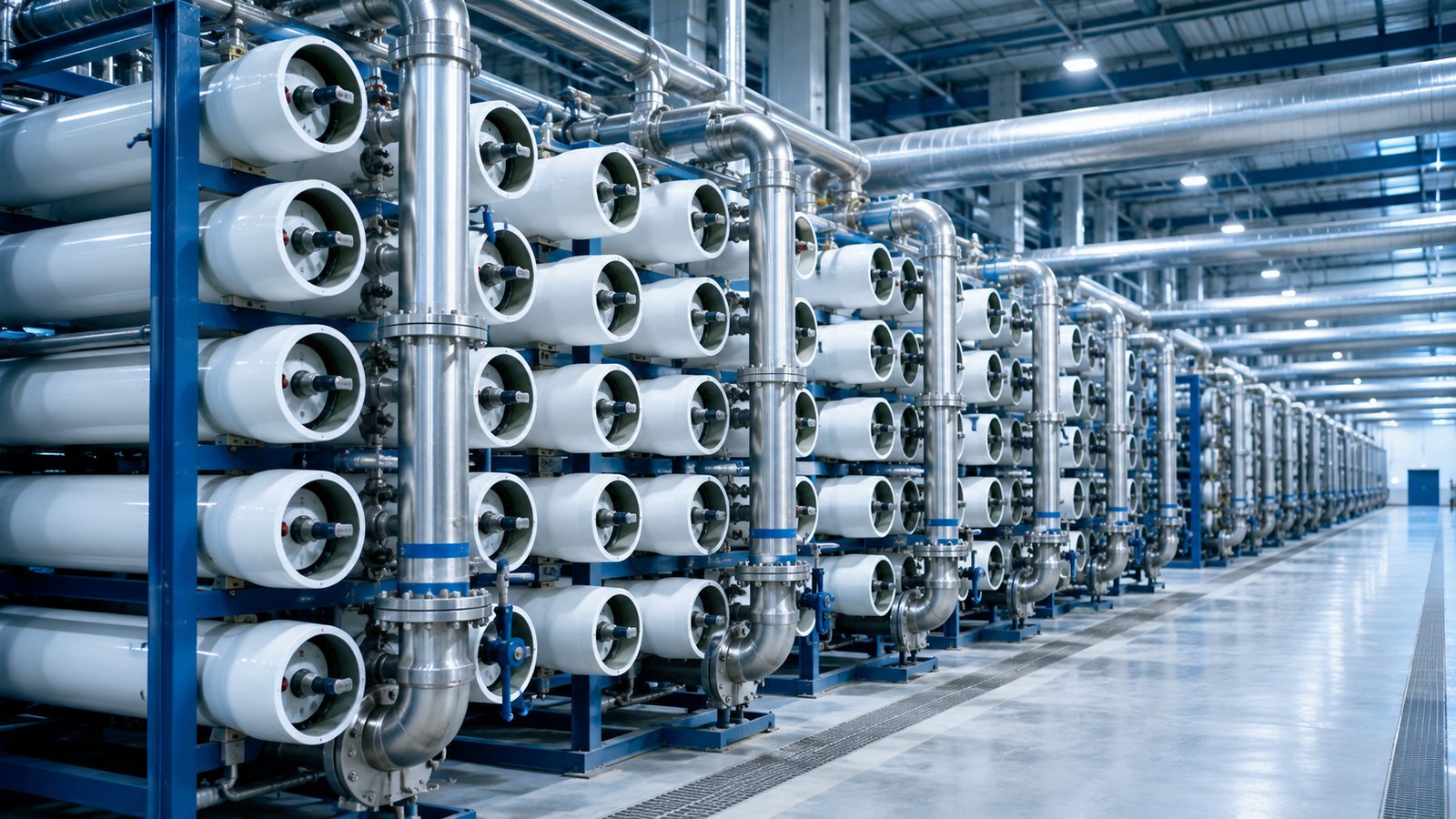
Industrial water treatment in California has become a crucial aspect of sustainable manufacturing processes. With increasing environmental regulations and the growing need for water conservation, factories and plants are now prioritizing efficient water treatment systems that ensure water used in industrial operations is treated, reused, or safely discharged without causing harm.
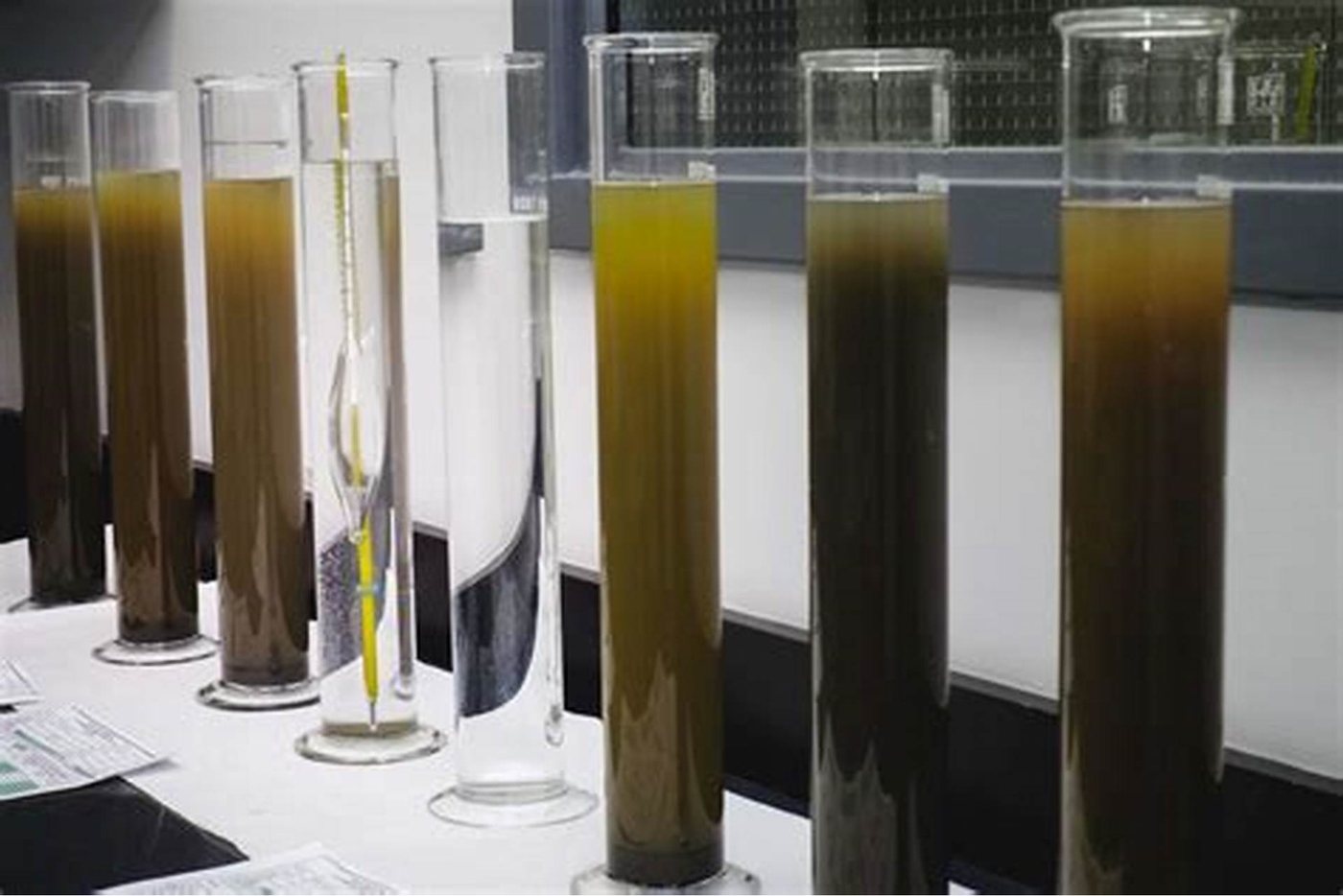
What is industrial water treatment?
Industrial water treatment involves a series of processes designed to remove contaminants from water used in industrial settings. This can include treating water for cooling, processing, or even cleaning purposes. The goal is to maintain water quality standards that protect machinery, improve product quality, and minimize environmental impact.
What are the key treatment methods?
Several techniques are commonly used in industrial water treatment:
- Filtration: removes suspended solids and particles.
- Chemical treatment: uses chemicals to neutralize contaminants and control pH levels.
- Biological treatment: employs microorganisms to break down organic matter.
- Disinfection: eliminates harmful pathogens through methods like chlorination or UV treatment.
Why does California industrial water treatment matter?
Implementing effective industrial water treatment reduces water consumption by enabling reuse, reduces operational costs, and ensures compliance with environmental regulations. In California, where water scarcity is a significant concern, adopting advanced water treatment methods is vital for industries aiming for long-term sustainability.
In California, where water scarcity is a significant concern, adopting advanced water treatment methods is vital for industries aiming for long-term sustainability.
Moving forward with sustainable practices
Industrial water treatment not only supports environmental stewardship but also enhances efficiency and profitability in industrial operations. As industries continue to evolve, incorporating innovative water treatment technologies will be essential to meet regulatory demands and promote responsible resource management.
What four problems does every system have?
Industrial water treatment sounds like one discipline, but on any given site it is really four separate problems that happen to share piping. Confusing them is the most common reason a treatment programme underperforms, because each responds to a different mechanism and no single chemical addresses all four.
Suspended and colloidal solids are a charge problem. Fine particles carry like charges and repel each other, so they will not settle no matter how long the clarifier detention time is. The fix is charge neutralisation with a coagulant followed by bridging with a flocculant — the work described under coagulation and flocculation. Jar testing is how the right product and dose are found; there is no way to calculate it from a water analysis alone.
Dissolved metals are a solubility problem. Copper, zinc, nickel, and hexavalent chromium pass straight through a filter because they are in solution. They have to be converted to an insoluble form before anything can remove them. Sulfide precipitation produces metal sulfides that are far less soluble than the corresponding hydroxides and are stable across a wider pH range — the approach described under metal removal. A Northern California application removed 94% of dissolved copper and roughly 70% of zinc, bringing effluent to below 1.4 ppb against a 3.1 ppb permit limit.
Oil and hydrocarbon are a phase problem. Free oil skims, but emulsified and dissolved hydrocarbon does not, and it will not respond to a coagulant alone. Organo-clay — bentonite surface-modified with a quaternary amine — adsorbs both, which is why it is used as a polishing step ahead of carbon in oily wastewater trains.
Biology and organics are an oxidation problem, and this is where most sites lose money without realising it.
What does biological fouling actually cost?
Biofilm is the most expensive contaminant on most industrial sites because its cost is hidden in the utility bill rather than itemised on a compliance report. Its thermal conductivity is roughly 0.6 W m⁻¹ K⁻¹, against 2.6 for calcium carbonate and 2.3 for calcium sulfate scale — about 300% worse for heat transfer than the mineral scale operators actually inspect for. A film too thin to notice can cost more approach temperature than visible scale.
Southern California Edison has documented electricity savings of 20% or more where cooling-system fouling is properly controlled. Underneath the film sits microbiologically influenced corrosion, where sulfate-reducing bacteria in the anaerobic layer at the metal surface drive the pitting that eventually costs a condenser tube. And biofilm is the reservoir that shelters Legionella pneumophila from a conventional halogen programme — a liability question as much as an efficiency one.
Oxidation potential and ORP control
Mineral oxychloride delivers a family of reactive oxygen species — superoxide, hydroxyl radical, singlet oxygen, hydroperoxyl, and peroxide — at an oxidation potential of 2.8–2.9 V.
| Oxidant | Oxidation potential (V) |
|---|---|
| Fluorine | 3.06 |
| JC 9465 mineral oxychloride | 2.8–2.9 |
| Hydroxyl radical | 2.80 |
| Ozone | 2.07 |
| Chlorine dioxide | 1.57 |
| Chlorine gas | 1.36 |
| Sodium hypochlorite | 0.94 |
The control variable is oxidation-reduction potential, not ppm. ORP measures the oxidising work the water can actually perform, so it self-corrects for changing organic load, cycles of concentration, and process contamination. The ORP reference chart has the full set; the working targets are below.
| Process | Target ORP |
|---|---|
| Wastewater odour and sulfide control | 200–400 mV |
| H₂S control in wet scrubbers | +100 to +300 mV |
| Cooling towers (biofilm & MIC) | 400–500 mV |
| RO pre- and post-treatment | 500–650 mV |
| Biofilm / EPS destruction | 600–800 mV |
| Disinfection | 650–750 mV |
| Sterilization | +800 mV |
As rules of thumb: inorganic demand takes under 1.0 mg/L of product per 1.0 mg/L of contaminant; pathogens take 1.0 mg/L per 1,000–10,000 mg/L; organics take 1.0–8.0 mg/L per 1.0 mg/L; and H₂S takes roughly 1 mg/L per 2.0 mg/L of sulfide. Effective pH range is 4–9. Installation is a metering pump, a storage tank, and an optional ORP controller — typically under 30 minutes.
Reuse, discharge, and California's regulatory reality
Water reuse is where these four problems converge. Every recycle loop concentrates whatever the previous pass did not remove, so a site that recycles without addressing dissolved metals or biological load simply arrives at the same problem faster and at higher concentration. Successful reuse programmes are built around identifying which of the four mechanisms limits the loop and treating that one properly, rather than adding a general-purpose chemical and hoping.
On the discharge side, NPDES permit limits for metals in California are frequently in the parts-per-billion range, which is below what hydroxide precipitation reliably achieves — another reason sulfide chemistry gets specified. Sites that need to reduce chemical inventory and handling risk should note that JC 9465 is EPA FIFRA registered as a biocide and algaecide, and that the same chemistry is certified to NSF/ANSI/CAN Standard 60 for drinking-water treatment, as both JC 9465 and JC 9450, at a maximum dose of 84 mg/L. It also carries a six-month shelf life against roughly 30 days for liquid chlorine, which materially changes on-site storage planning.
By sector: Industrial & Cooling Towers, Municipal & Utilities, Food & Agriculture, and Oil & Gas. Supporting studies are in the research library, and the how we help page maps problems to mechanisms.
Frequently asked questions
What is the difference between coagulation and flocculation?
Coagulation neutralises the like charges that keep fine particles repelling each other. Flocculation then bridges the destabilised particles into larger aggregates that settle or filter. Both steps are needed, and the correct products and doses are established by jar testing.
Why does biofilm matter more than scale?
Biofilm has a thermal conductivity of about 0.6 W per m per K, against 2.6 for calcium carbonate and 2.3 for calcium sulfate. That makes it roughly 300% worse for heat transfer than mineral scale, so a film too thin to see can cost more approach temperature than visible scale.
Why dose to ORP instead of ppm?
ORP measures the oxidising work the water can actually perform, so it self-corrects for changing organic load, cycles of concentration, and process contamination. A fixed ppm dose does not, and it will be wrong whenever conditions change. Oxidation-reduction potential is read in millivolts, giving operators a real-time control point that ties feed rate directly to disinfection performance. Feeding to a millivolt setpoint lets the pump follow demand instead of holding a concentration chosen for one operating condition.
How are dissolved metals removed to parts-per-billion limits?
By sulfide precipitation. Metal sulfides are far less soluble than the corresponding hydroxides and remain stable across a wider pH range. A Northern California application removed 94% of dissolved copper and about 70% of zinc, reaching effluent below 1.4 ppb against a 3.1 ppb permit limit.
What is the first step in evaluating a treatment programme?
Bench and jar testing on the actual water. Water analysis alone does not determine the right product or dose, and a bench test is the cheapest way to find out what the system really needs before committing to a pilot.
Have a water challenge like this?
Talk to Jenfitch about JC 9465, safety data sheets, or scoping a treatment program for your facility.