Nature has its own cleaning power, and in California, where water conservation is vital, we are constantly seeking innovative solutions. One such solution is the use of biosurfactants for water treatment, and its potential is remarkable.
Unveiling the power of biosurfactants
So what exactly are biosurfactants? Picture them as nature's own cleaning crew. These remarkable molecules are produced by microorganisms. They work by reducing the surface tension between liquids, which allows them to grab onto and remove pollutants effectively.
Why do biosurfactants matter?
Using biosurfactant for water treatment in California presents several compelling advantages. They are naturally biodegradable, meaning they break down safely over time. This makes them a much more environmentally friendly option compared to some conventional chemicals. They are also proving highly effective at tackling oil spills and other stubborn contaminants.
Picture biosurfactants as nature's own cleaning crew, produced by microorganisms and biodegradable enough to break down safely over time.
Applications in the Golden State
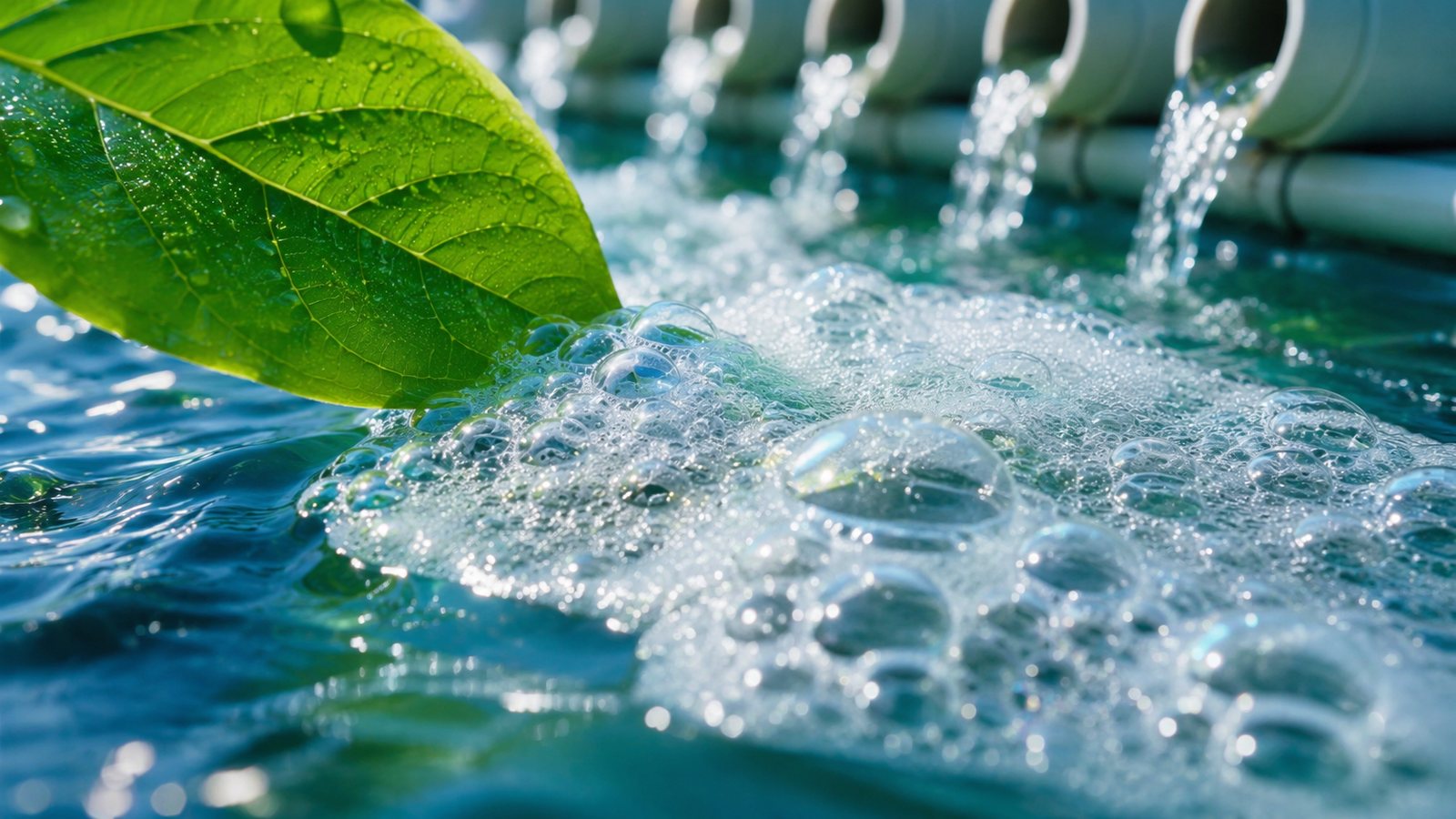
The use of biosurfactant for water treatment is on the rise. You will find them used in various settings, from wastewater treatment plants to helping clean up agricultural runoff, and even for cleaning up contaminated sites. These versatile cleaning agents are making a real difference.
A cleaner future
As California continues to face water challenges, using biosurfactants for water treatment offers a promising path forward. These sustainable and effective cleaning agents are key to a cleaner, healthier future.
How does a biosurfactant actually work?
A surfactant molecule has two ends that want different things: a hydrophilic head that is comfortable in water and a hydrophobic tail that is not. Put enough of them into water and they gather at every interface — air-to-water, oil-to-water, water-to-solid — with their tails pointed away from the water. That is the whole mechanism. Lowering interfacial tension is what lets an oil droplet be pulled off a surface and held in suspension instead of re-coalescing.
Biosurfactants do the same job with molecules that microorganisms build for their own purposes. Pseudomonas species produce rhamnolipids; Bacillus subtilis produces surfactin; various yeasts produce sophorolipids. These organisms secrete them to make hydrophobic food sources bioavailable — effectively to emulsify their own dinner. The engineering value is that a molecule evolved to be handled by microbial metabolism is, by construction, one that microbial metabolism can take apart again.
The practical consequences follow directly. Biosurfactants generally remain effective across wider temperature, pH, and salinity ranges than comparable synthetic surfactants, they typically show lower aquatic toxicity, and they biodegrade rather than persisting through a treatment plant and into receiving water. The trade-off is cost: fermentation-derived molecules are more expensive to produce per pound than petrochemical surfactants, which is why adoption has concentrated where the environmental profile carries real weight.
Where are biosurfactants used in water treatment?
In remediation, biosurfactants are used to mobilise hydrocarbons and some heavy metals that are bound to soil particles, releasing them into a recoverable aqueous phase — soil washing and enhanced bioremediation both depend on this. In wastewater treatment they assist oil-water separation and can improve the accessibility of hydrophobic contaminants to the biological population. In agricultural runoff management they help mobilise pesticide residues bound to sediment. And in industrial cleaning they appear in clean-in-place formulations where residue and effluent toxicity matter.
What they do not do is oxidise. A surfactant moves a contaminant from one phase to another; it does not destroy it. This is the single most important thing to understand when designing a treatment train, because a mobilised contaminant still has to be captured or broken down somewhere downstream. Surfactant chemistry is a separation step, not a destruction step.
How does Jenfitch approach the same problems?
Jenfitch's chemistry addresses these applications through different mechanisms, and it is worth being precise about which does what.
For oily wastewater, organo-clay technology is the capture step. Organo-clay is a bentonite whose surface has been modified with a quaternary amine, turning a naturally water-loving mineral into an oil-loving one. It adsorbs free and emulsified hydrocarbon — taking the oil out of the water rather than dispersing it into the water — which is the opposite strategy to a surfactant and is usually the right one when the goal is a compliant discharge.
For organic contaminants that need to be destroyed rather than moved, mineral oxychloride supplies a family of reactive oxygen species at an oxidation potential of 2.8–2.9 V — second only to fluorine at 3.06 V, and above ozone at 2.07 V, chlorine dioxide at 1.57 V, chlorine gas at 1.36 V, and sodium hypochlorite at 0.94 V. Dosing is to an ORP setpoint, with a working pH range of 4–9. The ORP reference chart gives the targets by process.
For suspended and colloidal solids, the coagulant and flocculant line handles charge neutralisation and particle capture, and the metal removal programme handles dissolved metals through sulfide precipitation — a field application removed 94% of dissolved copper and roughly 70% of zinc, bringing effluent to below 1.4 ppb against a 3.1 ppb permit limit.
Biosurfactants are a genuinely useful and genuinely green technology, and for mobilising bound hydrocarbon they can be the right tool. But most California water problems that get described as a cleaning problem are really an oxidation, adsorption, or precipitation problem, and the honest answer is usually a combination. If you are weighing options, the treatment overview and the research library are the place to start, or get in touch and we will tell you plainly which mechanism your water actually needs.
Frequently asked questions
What is a biosurfactant?
A surface-active molecule produced by a microorganism rather than synthesised from petrochemicals. Common examples include rhamnolipids from Pseudomonas species, surfactin from Bacillus subtilis, and sophorolipids from various yeasts. Microorganisms make them to emulsify hydrophobic food sources. In water treatment they work by reducing the surface tension between liquids, which lets them grab onto and remove pollutants, and they are biodegradable enough to break down safely over time.
Are biosurfactants better than synthetic surfactants?
They generally biodegrade more readily, show lower aquatic toxicity, and tolerate wider temperature, pH, and salinity ranges. They are more expensive to produce per pound, which is why adoption concentrates where the environmental profile carries real weight. In practice that means settings such as wastewater treatment plants, agricultural runoff cleanup, and contaminated site remediation, where breaking down safely over time is worth more than the lowest price per pound.
Do biosurfactants destroy contaminants?
No. A surfactant moves a contaminant from one phase to another; it does not break it down. Mobilised contaminants still have to be captured or destroyed downstream, so surfactant chemistry is a separation step rather than a destruction step. A surfactant molecule has two ends, one that associates with water and one that associates with oil, which is what lets it lift and carry a pollutant without altering it.
What does Jenfitch use instead for oily wastewater?
Organo-clay, a bentonite surface-modified with a quaternary amine so that it adsorbs free and emulsified hydrocarbon. It removes oil from the water rather than dispersing it into the water, which is usually the right strategy when the goal is a compliant discharge.
Which technology is right for my water?
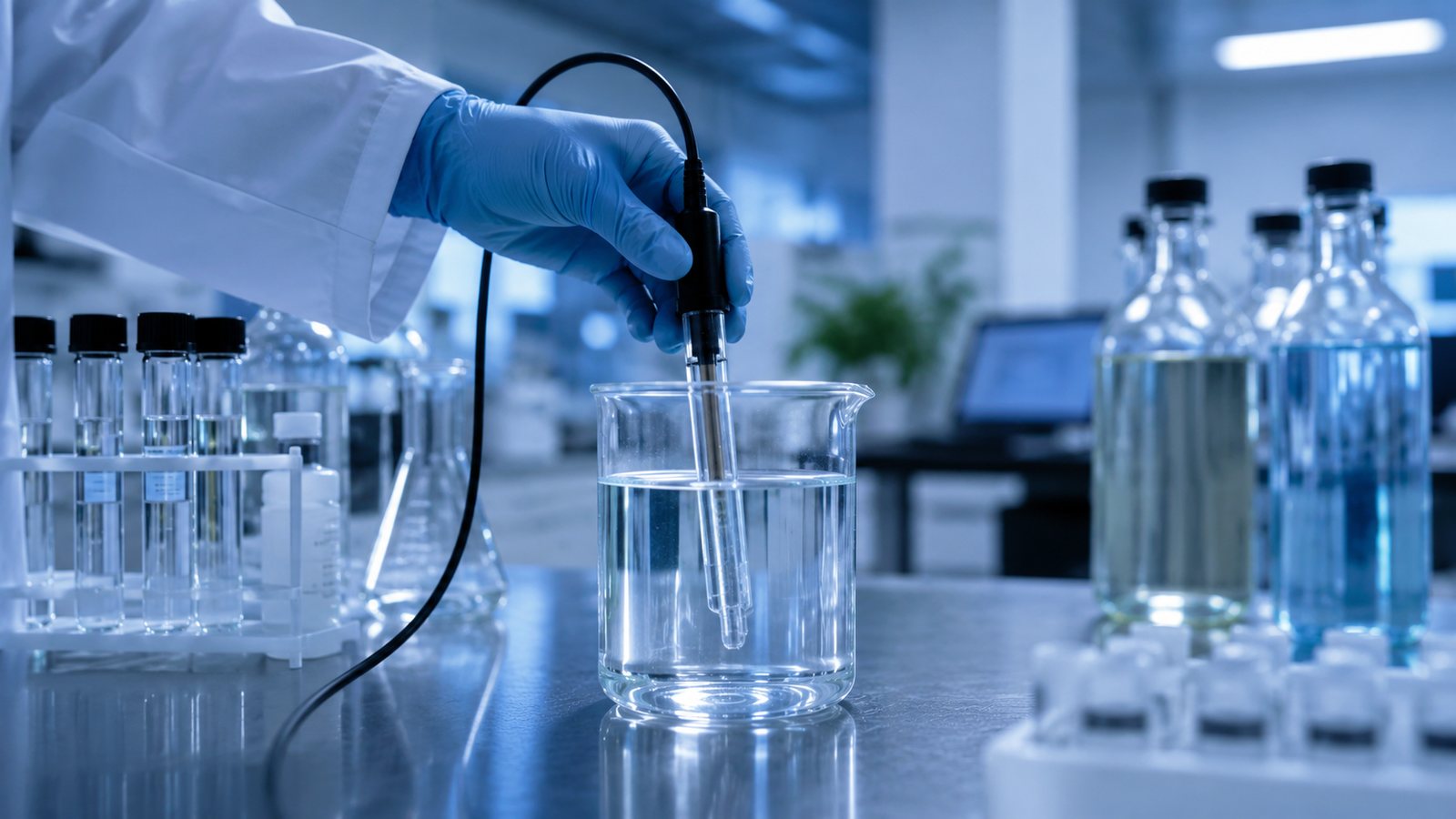
It depends on whether the contaminant needs to be oxidised, adsorbed, precipitated, or coagulated, and most real problems need a combination. Bench and jar testing is the normal first step before any full-scale recommendation. Testing the actual water matters because the same contaminant behaves differently depending on what else is present, and those results set the dose and the sequence before anything is scaled up.
Have a water challenge like this?
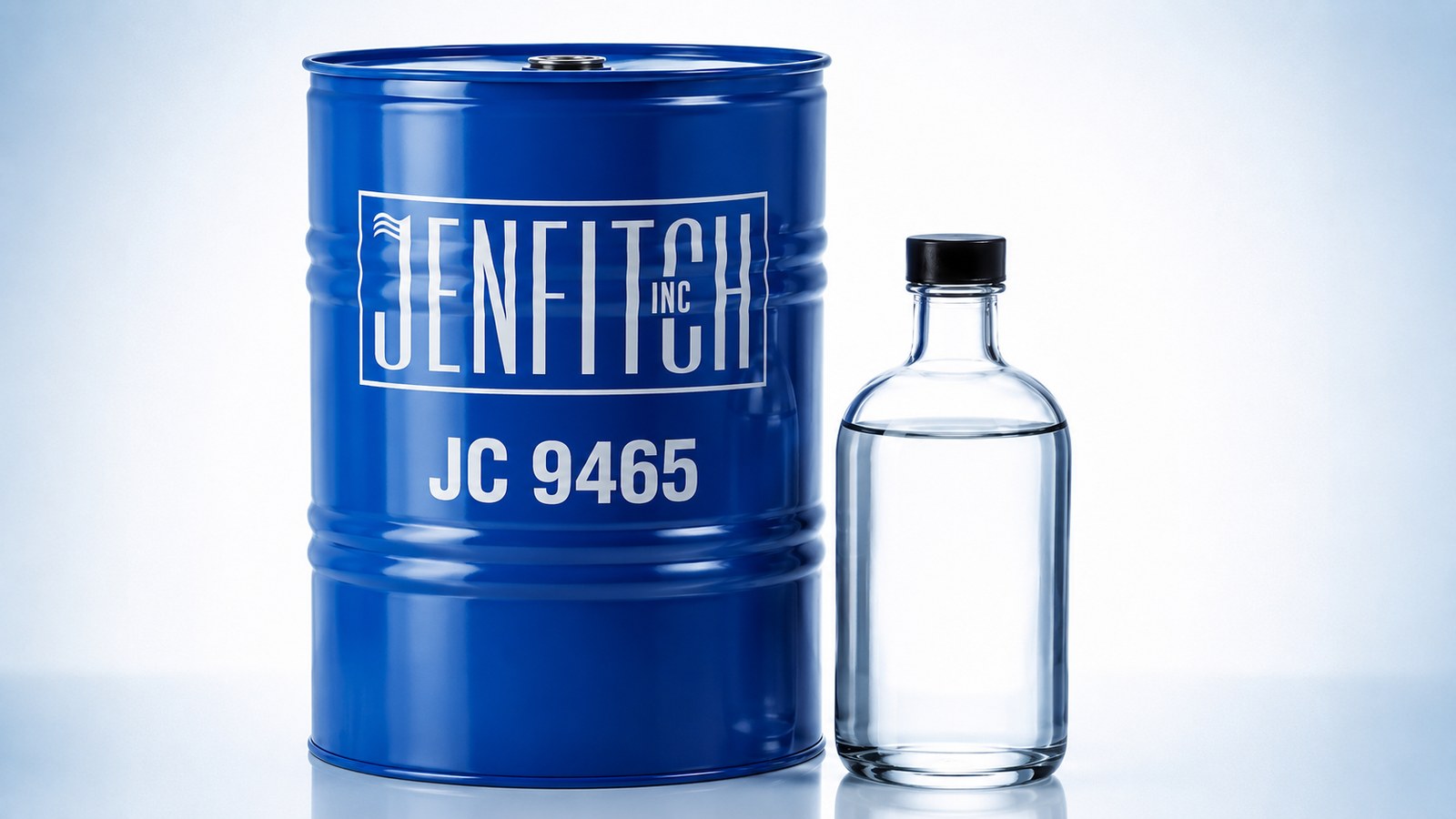
Talk to Jenfitch about JC 9465, safety data sheets, or scoping a treatment program for your facility.