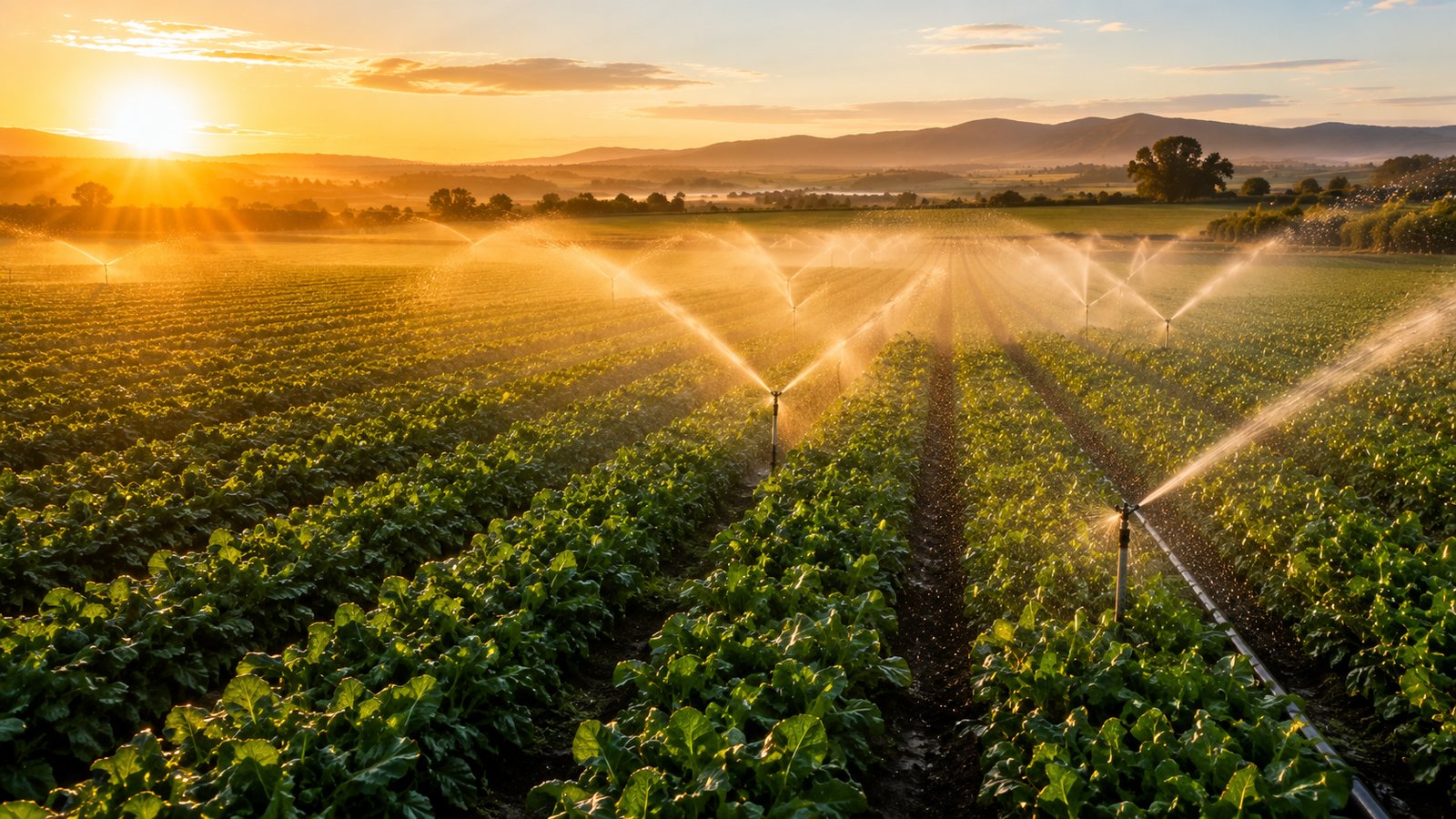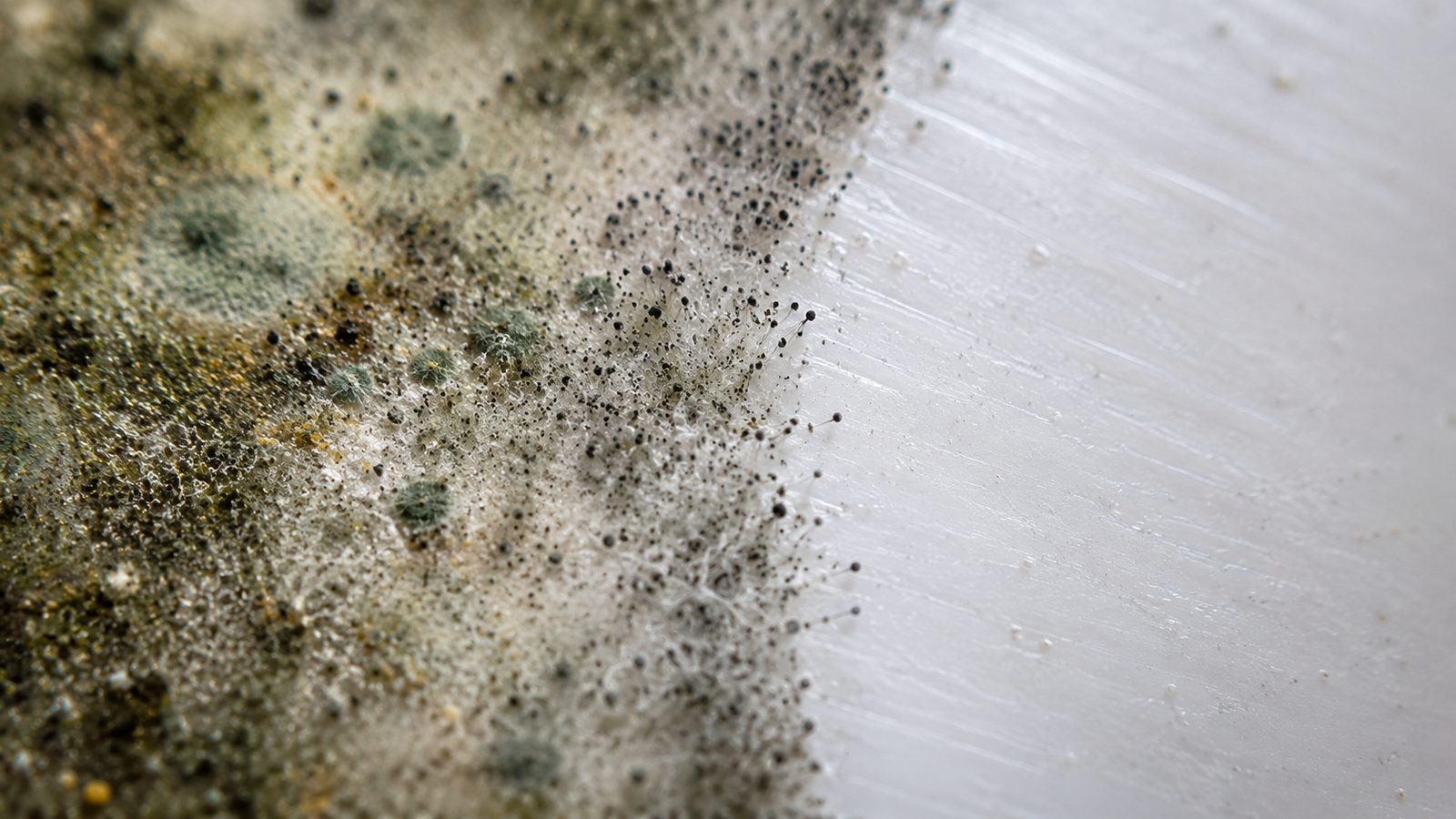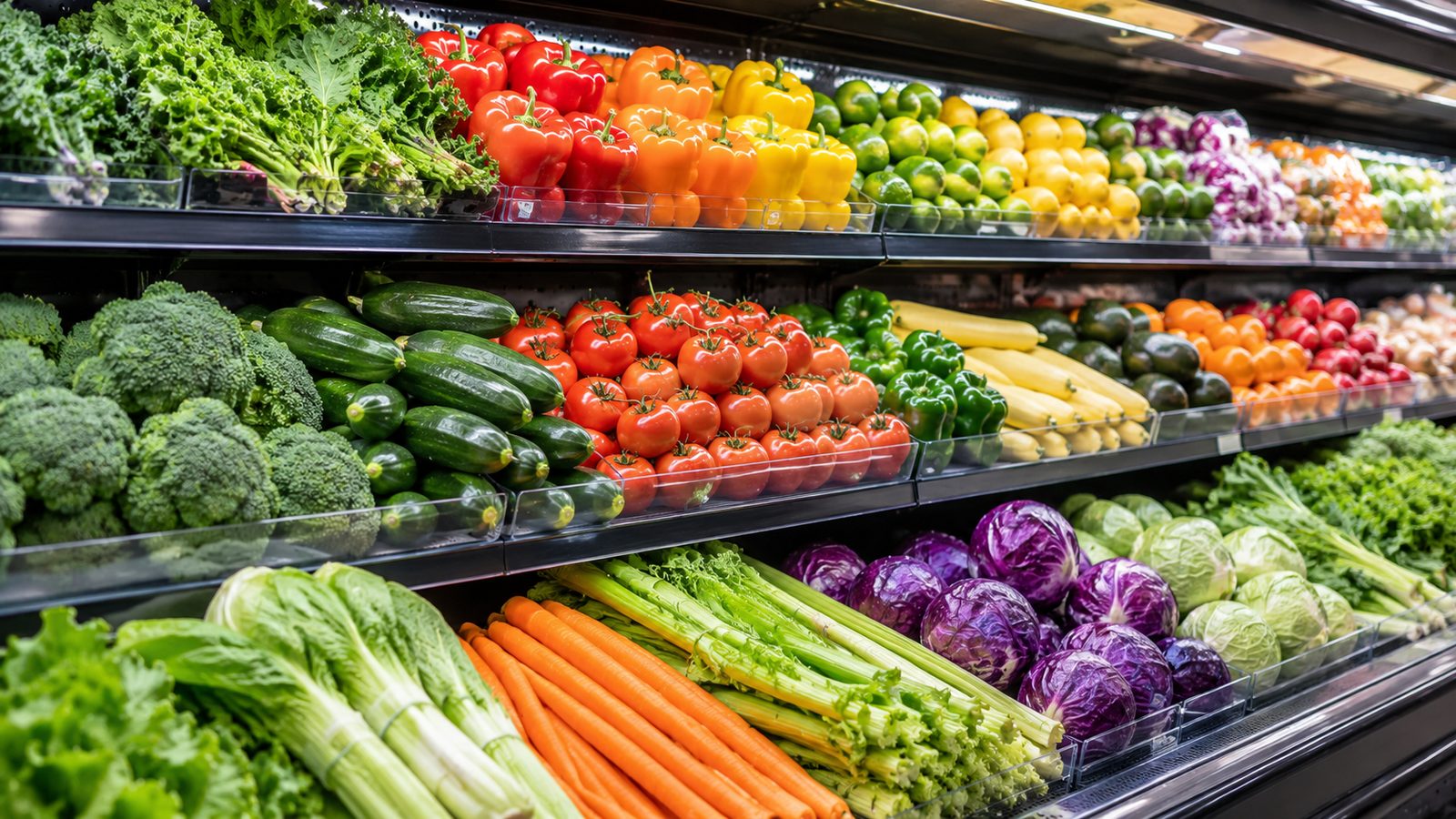
Food safety and product quality are inseparable in modern produce handling. A single contamination event can trigger recalls, damage a brand, and put consumers at risk, while spoilage organisms quietly erode shelf life and margins. JC 9465, a mineral oxychloride disinfectant that generates reactive oxygen species (ROS), gives growers, packers, and processors a way to address both problems at once — rapid pathogen inactivation without changing the taste, color, or texture of the food it protects.
Why does oxidative disinfection fit food operations?
Rapid pathogen inactivation
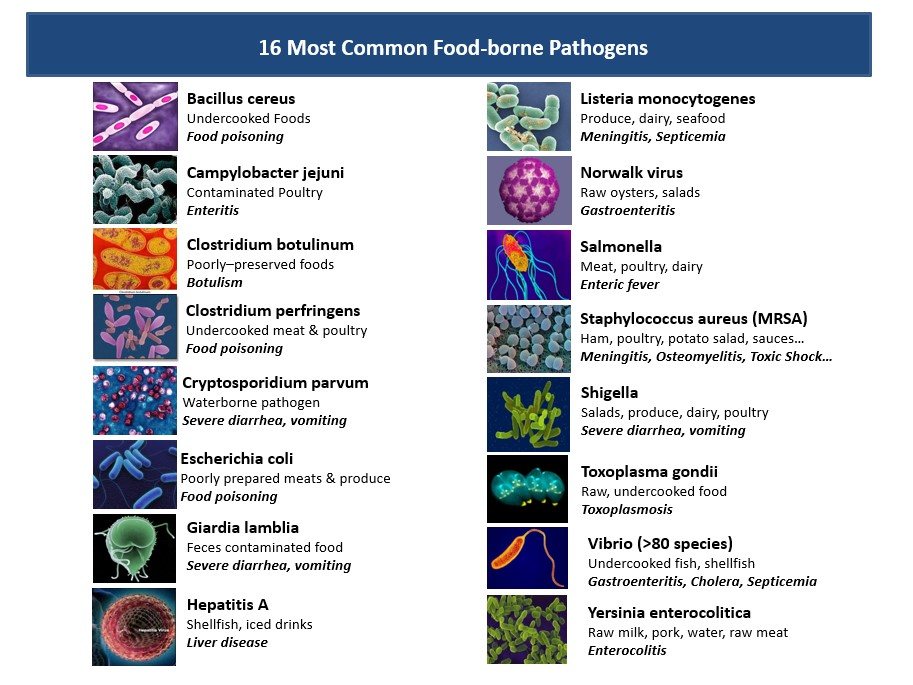
By generating hydroxyl radicals and other reactive oxygen species, JC 9465 achieves high-log reduction of organisms such as E. coli, Salmonella, and Listeria in seconds of contact. The oxidative mechanism attacks cell membranes directly rather than relying on residual chemistry, so treatment is fast and predictable across wash water, flumes, and direct-contact surfaces.
No residue, no off-flavors
Because the active chemistry reverts to benign byproducts, JC 9465 inactivates spoilage and pathogenic organisms without leaving residue on treated produce or altering flavor. That matters for fresh-cut, ready-to-eat, and organic programs where sensory quality and label requirements leave no room for taint.
The goal is simple: safer food that still looks, smells, and tastes exactly as the grower intended.
How does treatment extend shelf life?
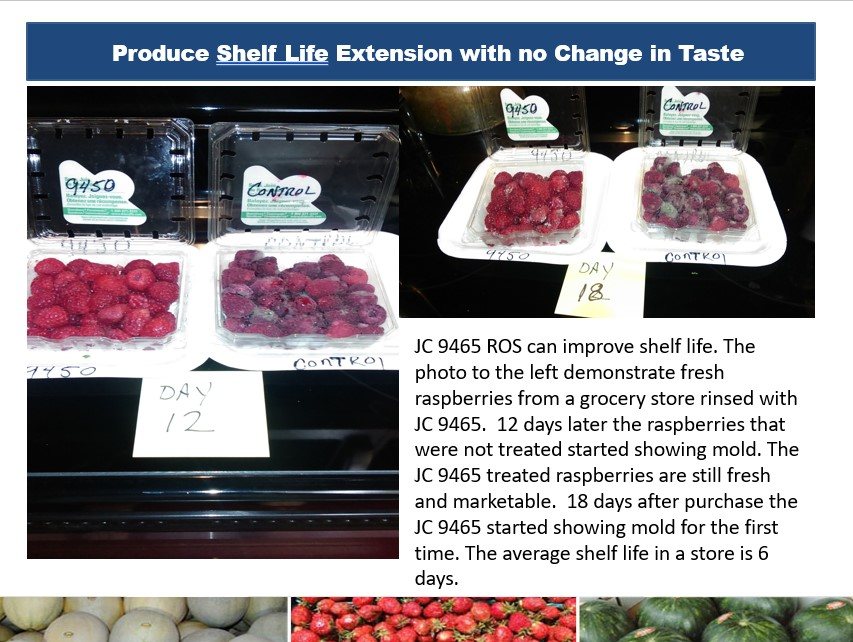
Reducing the microbial load on incoming produce slows the decay that shortens shelf life. Lower bacteria and mold counts at the wash step translate into fewer rejected loads, less shrink in distribution, and more days of saleable quality on the shelf. For operations shipping long distances, even a small extension in usable life can change the economics of a season.
Where JC 9465 is applied
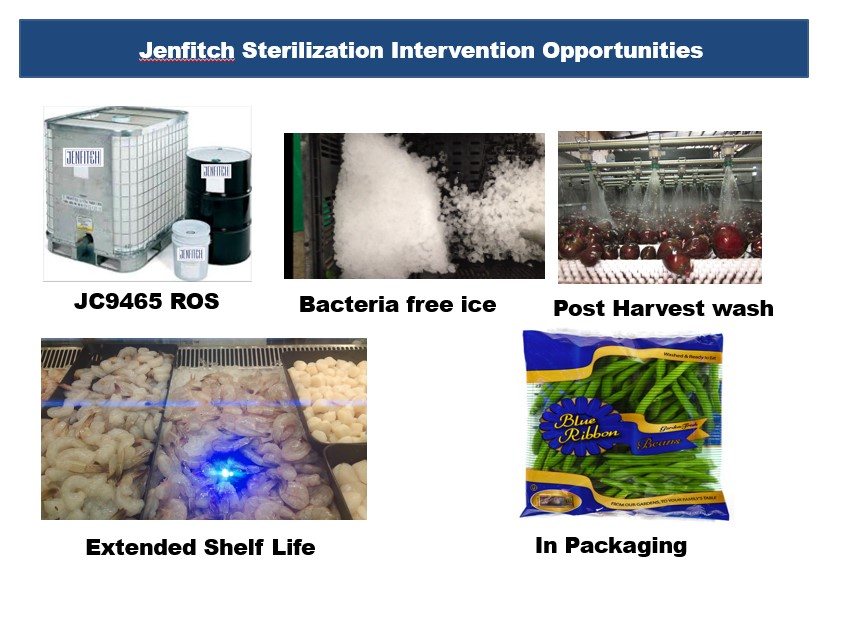
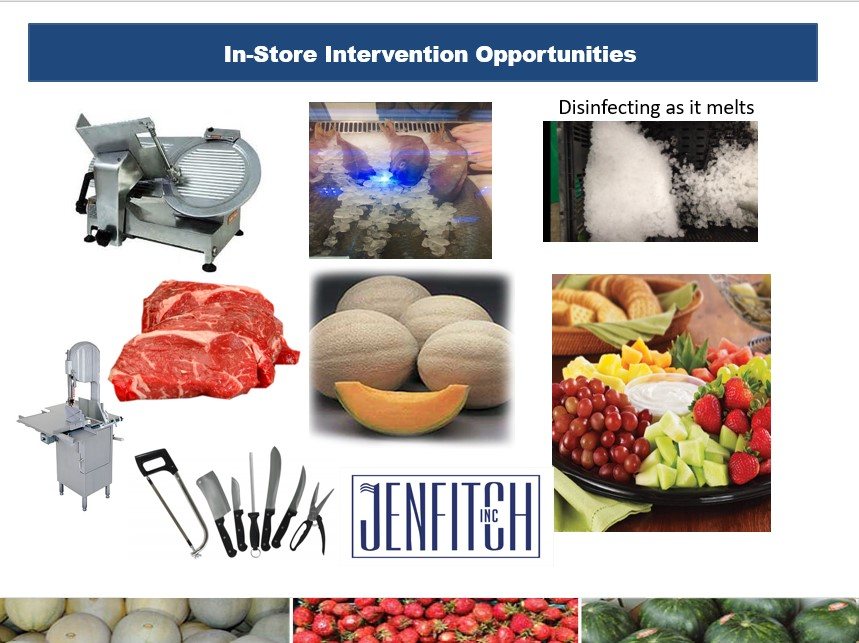
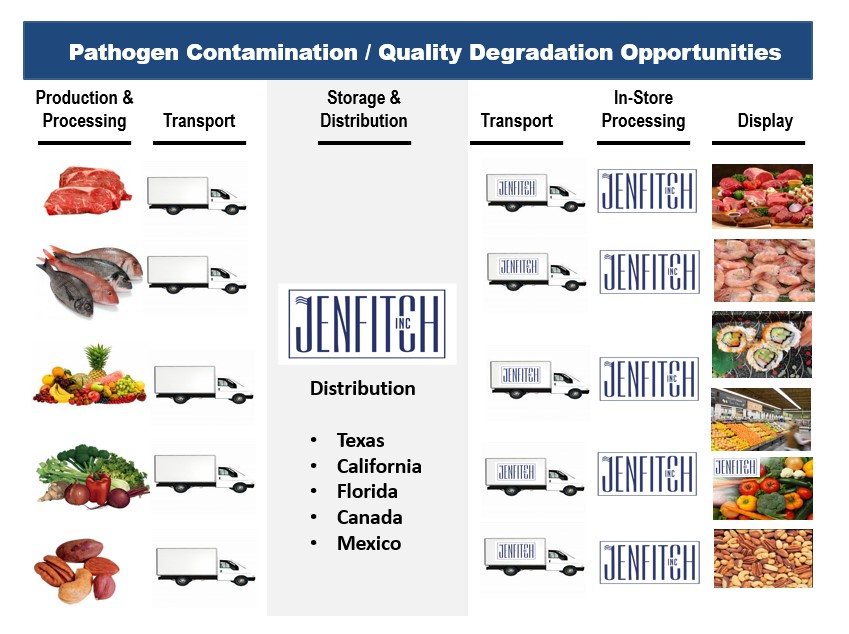
- Wash, flume, and hydrocooling water where cross-contamination is a risk
- In-field and post-harvest disinfection barriers using controlled ORP
- Food-contact surfaces, conveyors, and packing lines
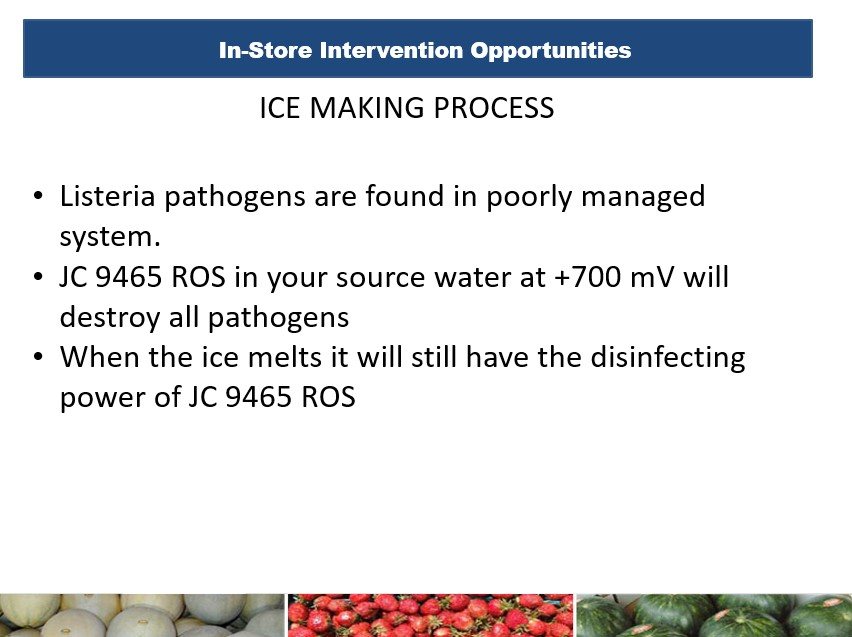
- Ice used to chill and transport fresh product
A dual return on safety and quality
Treating food safety and product quality as one program — rather than two competing costs — is where oxidative disinfection earns its place. JC 9465 delivers the fast, residue-free pathogen control that food safety plans demand while protecting the freshness and appearance that customers pay for, helping operations reduce risk and waste in the same step.
Where does cross-contamination actually happen?
Contamination moves, and it moves through water and shared surfaces.
- Dump tank — every lot passes through the same water; one dirty bin seeds the tank, and the tank seeds everything behind it.
- Flume — recirculated transfer water accumulates soil and sugars through the shift, so oxidant demand rises as the day goes on.
- Hydro-cooler — cold water in direct contact with warm product, recirculated for hours.
- Ice — made from whatever the ice water was, then held against product through transport.
- Packing-line surfaces — brushes, rollers, and belts carry residue from lot to lot.
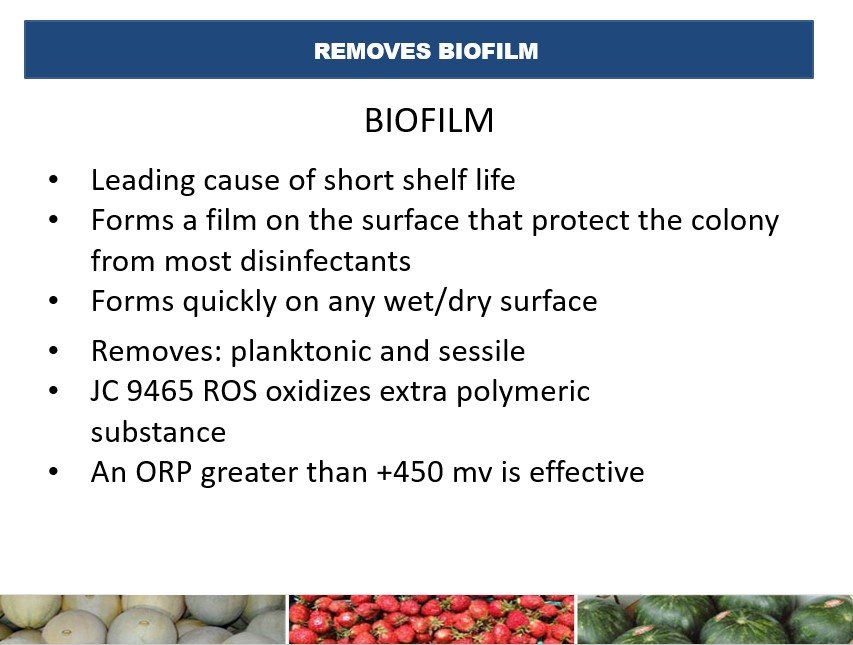
- CIP circuits — a rinse that leaves biofilm behind re-inoculates the line on the next run.
Why is free-chlorine ppm a poor control?
A ppm reading tells you how much oxidant you put in the tank, not how much is still available to kill anything. Soil, sugars, and organic load consume free chlorine continuously, and the same ppm at a different pH does not deliver the same oxidizing power.
Two tanks logged at the same ppm can therefore produce very different microbiology; kill efficacy tracks the condition of the water, not the dosing log.
A ppm reading records what you added; ORP measures what the water is doing.
ORP targets for food operations
Oxidation-reduction potential in millivolts is what correlates with survivors, and what a controller should trim feed against.
| ORP | Surviving count | What it means |
|---|---|---|
| +200 mV | ~300 CFU/100 mL | Ineffective |
| +300 mV | 36 CFU/100 mL | Partial knockdown |
| +400 mV | 3 CFU/100 mL | Insufficient |
| +600 mV | 0 | Disinfection threshold |
| +650 to +750 mV | 0 | In-field and post-harvest working band |
| +800 mV | 0 | Sterilization |
Hold the +650 to +750 mV band on wash, flume, hydro-cooler, and ice water and the barrier holds regardless of how load swings through the shift. The ORP reference chart covers setpoints for other processes.
Contact time and log reduction
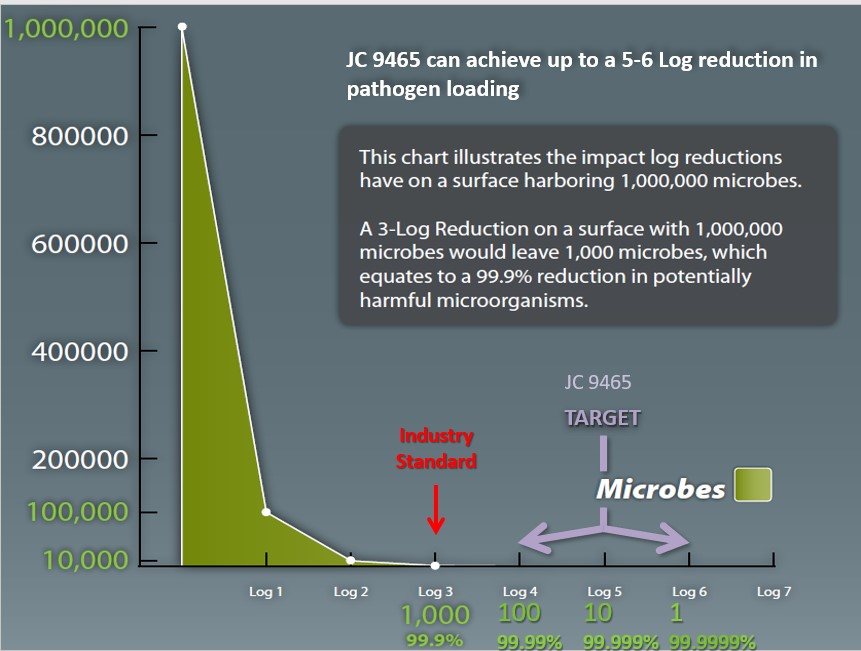
At +700 mV, UC Davis Post-Harvest measured a 6-log CFU reduction in under 10 seconds on E. coli, Listeria, and Salmonella. Ten seconds fits inside the dwell time a dump tank or flume already provides, which is what makes an in-line barrier practical.
Dose matters less than oxidizing power. Against Salmonella enterica from a 2.0×10⁷ CFU/mL start with 30 minutes of contact, JC 9465 at 2 ppm gave a 6.60-log reduction; sodium hypochlorite at 10 ppm gave 2.02, and it took 100 ppm of hypochlorite to reach 6.49. Across biofilms, bacteria, viruses, and spores the working figure is 12 to 24 times more effective than chlorine.
Shelf life, taste, and the organic certificate
Load removed at the wash step is load that is not multiplying in a carton three days later: fewer rejected loads, more saleable days on the shelf. The mineral oxychloride chemistry does that without changing taste, because the mineral-oxide by-products are mildly biocidal and fall below FDA limits.
The regulatory side matters just as much. JC 9465 holds both EPA FIFRA registration and USDA NOP organic certification, so organic and conventional lots run through the same tank at the same setpoint, with no chemistry changeover between them.
Frequently asked questions
What ORP should I hold in a produce wash tank?
Hold +650 to +750 mV for in-field and post-harvest disinfection. Surviving counts reach zero at +600 mV in the reference benchmark, and at +700 mV UC Davis Post-Harvest measured a 6-log CFU reduction in under 10 seconds on E. coli, Listeria, and Salmonella.
Why not just control free-chlorine ppm?
Because ppm records what you added, not what is left. Soil and sugars consume free chlorine continuously, and the same ppm at a different pH does not deliver the same oxidizing power. Two tanks logged at identical ppm can produce very different microbiology.
Can I use it on certified organic product?
Yes. JC 9465 was certified under the USDA National Organic Program (7 CFR Part 205) in 2021 and holds EPA FIFRA registration from 2020. A mixed packing house can run organic and conventional lots through the same water at the same setpoint.
Where should the disinfection barrier go first?
The dump tank: every lot passes through the same water, and one contaminated bin seeds everything behind it. Flume, hydro-cooler, and ice water come next, since all three hold recirculated water in direct contact with product. Treating ice-making water carries disinfection through to melt. JC 9465 generates reactive oxygen species that attack cell membranes directly, so contact time is measured in seconds and the barrier holds across wash water, flumes, and direct-contact surfaces.
Have a water challenge like this?
Talk to Jenfitch about JC 9465, safety data sheets, or scoping a treatment program for your facility.