JC 9465 generates reactive oxygen species (ROS) from mineral oxychloride chemistry. For a grower the practical point is narrow: it carries an EPA FIFRA pesticide registration and USDA National Organic Program certification, so one product can go on the crop, through the irrigation line, and into the post-harvest wash without costing a certified block its organic status.
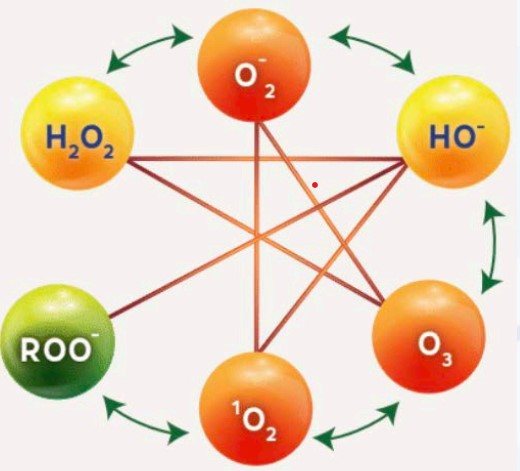
What are reactive oxygen species?
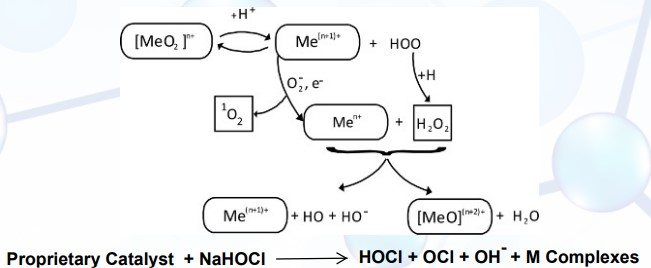
Mineral oxychloride is a liquid chelation of minerals with oxygen. The oxygen is weakly bound, so the complex releases oxygen atoms on contact — hydroxyl radicals, singlet or nascent oxygen, superoxide, hydroperoxyl, and peroxide.
Those radicals oxidize cell walls, enzymes, and DNA at once. A single-mode fungicide gives an organism one pathway to adapt around; a mixed radical population does not.
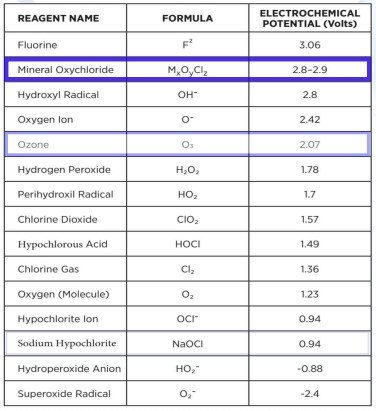
Measured as electrochemical potential, mineral oxychloride runs well above the oxidants normally available on a farm:
- JC 9465 mineral oxychloride: 2.8–2.9 V
- Ozone: 2.07 V
- Sodium hypochlorite: 0.94 V
Dose is set by oxidation-reduction potential in millivolts, not by ppm. A disinfection barrier for in-field and post-harvest work runs +650 to +750 mV. Above +700 mV the reduction is 6-log in under 10 seconds, against the 3-log usually accepted as standard. The ORP reference chart covers targets by process.
Control is by millivolts, not by ppm. The meter tells you whether the water is still doing oxidizing work.
What do the two registrations allow?
JC 9465 was registered under FIFRA with the EPA in 2020 and certified to the USDA National Organic Program in 2021 under 7 CFR Part 205.
FIFRA registration permits pesticidal use and claims in the United States. NOP certification means an application does not disqualify a certified organic block, so a grower running both organic and conventional acreage can standardise on one material rather than two programs, two storage areas, and two sets of records. Read the approval announcement for detail, and apply to the label.
Where does it fit in the crop cycle?
The same liquid, fed at different rates through different equipment:
- Foliar spray, for canopy and cluster disease pressure
- Soil drench and root irrigation, to reach the root zone
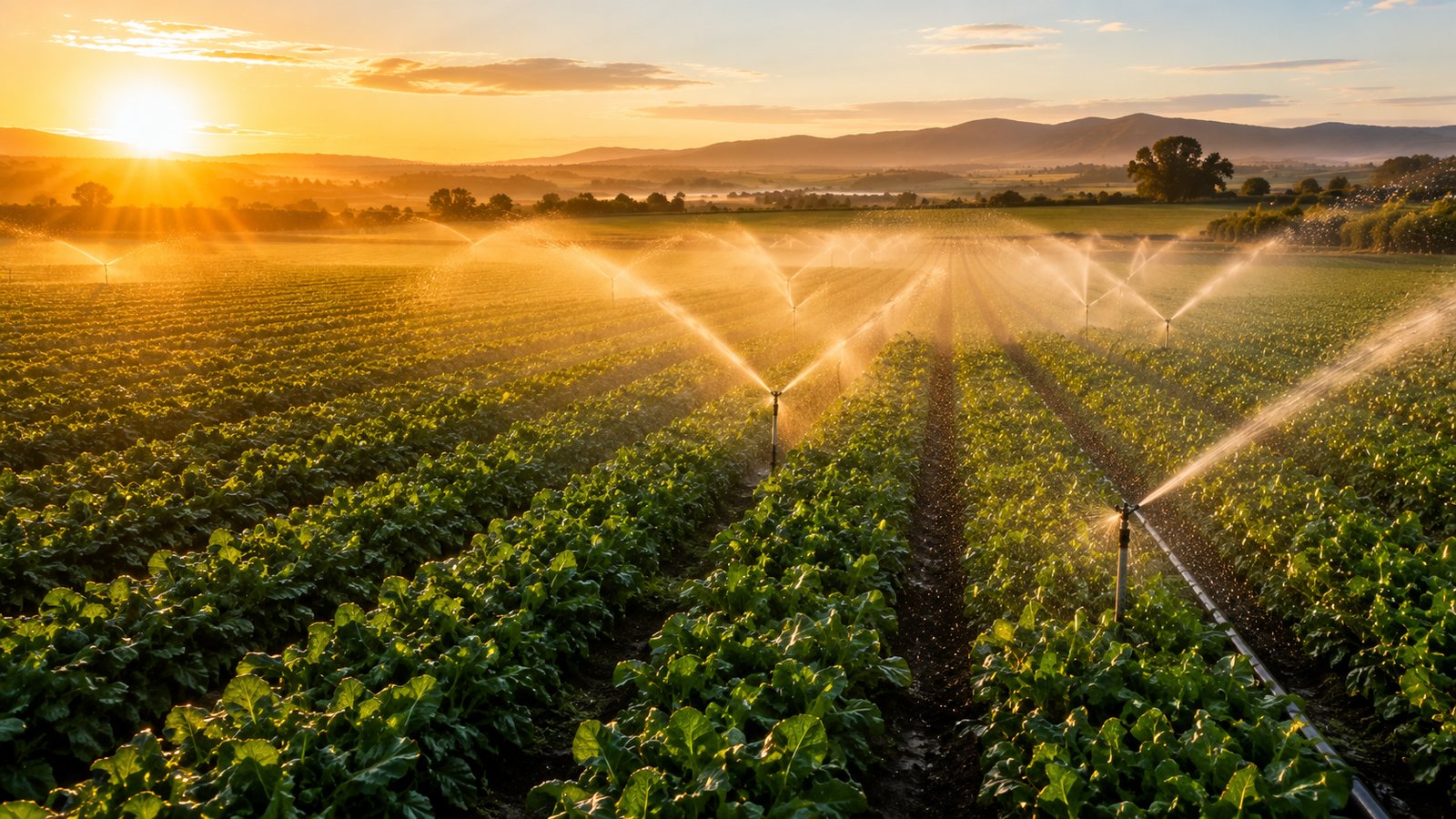
- Injection into drip and irrigation lines, which also clears the biofilm that plugs emitters
- Seed treatment ahead of planting
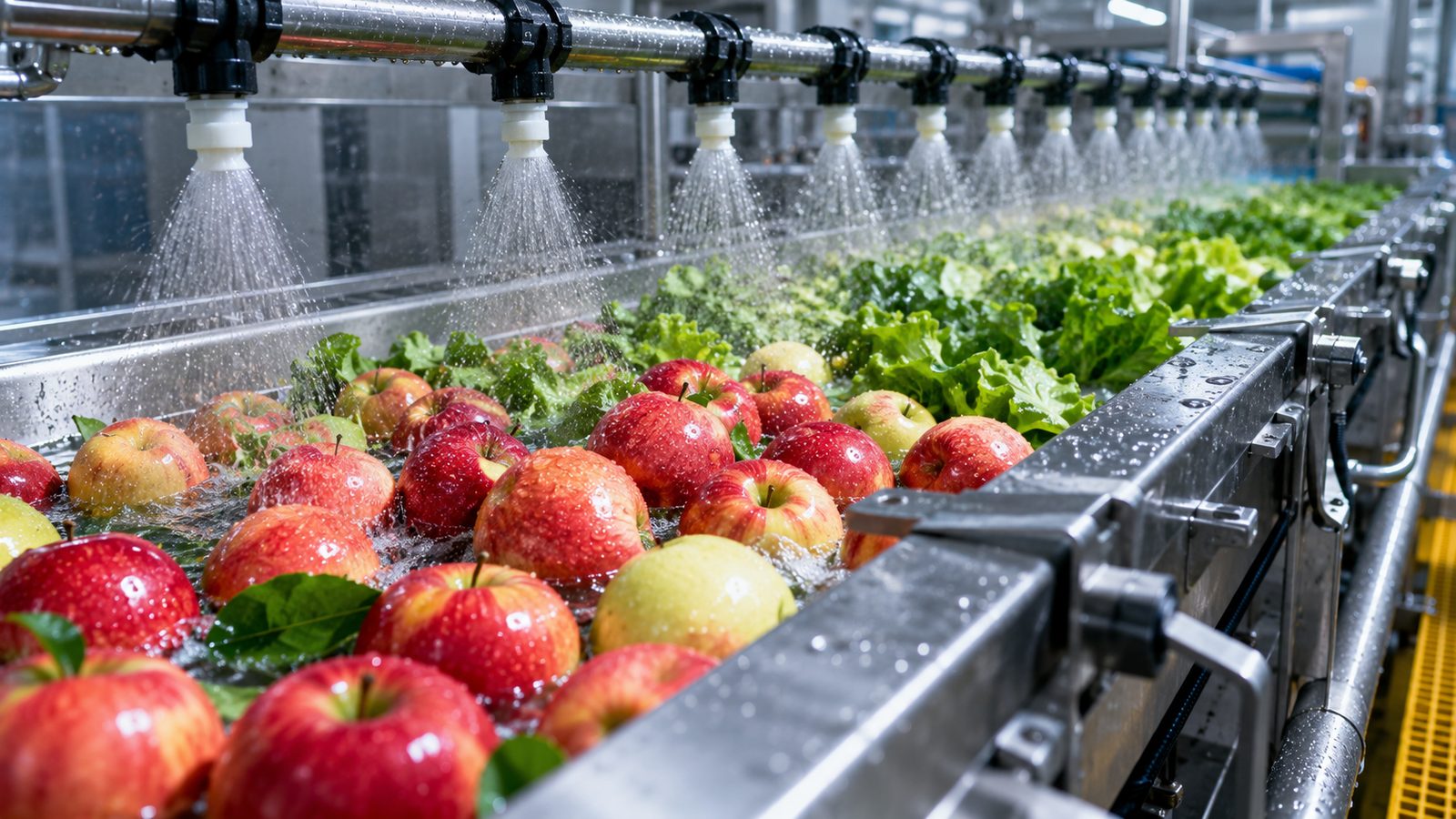
- Post-harvest wash water and dump tanks
- Hydro-cooler water
- Ice used for packing and transport
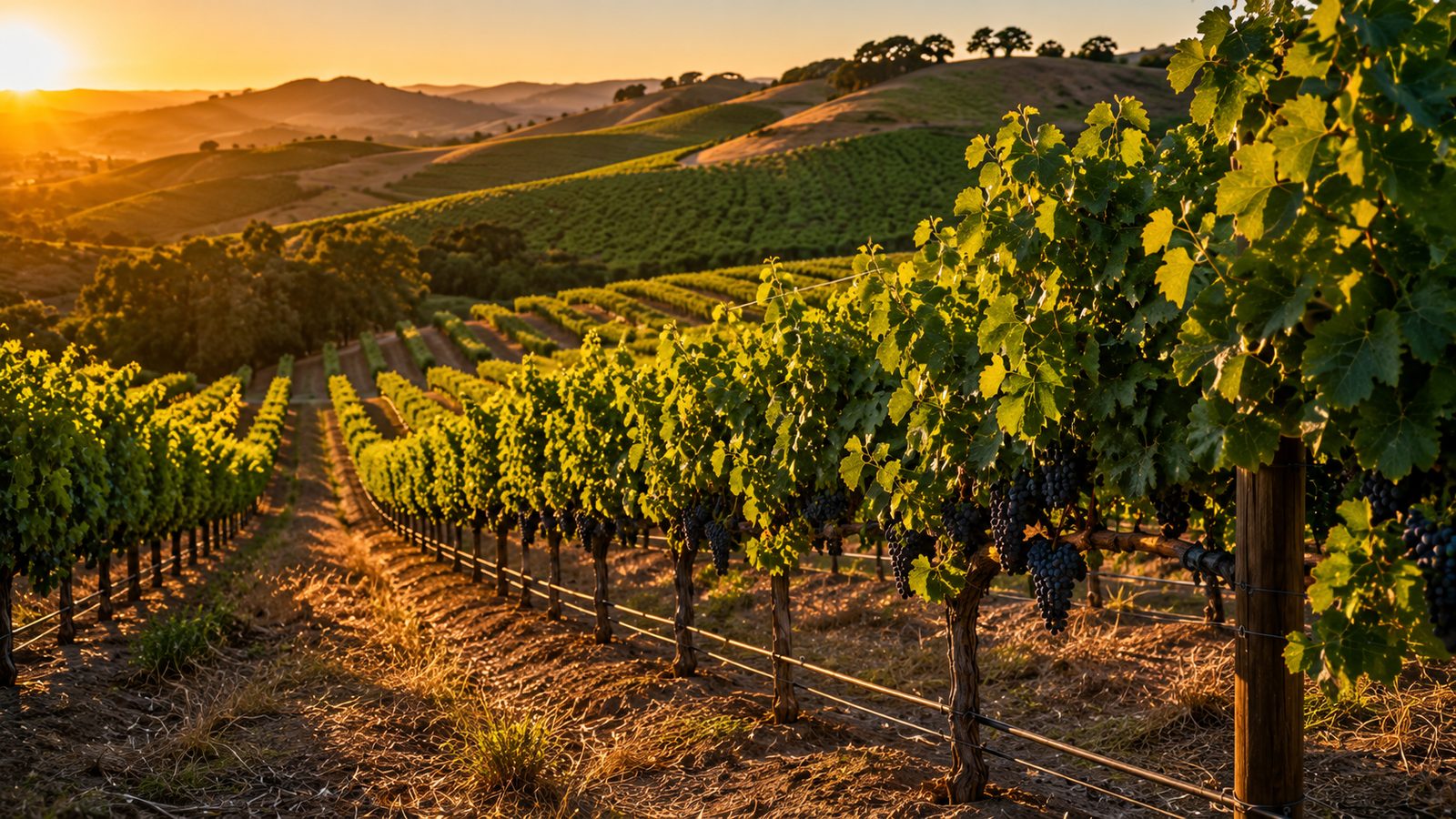
Vineyard trial, Selma, California
Sawtooth Ag Research ran a 2023 trial in Selma, California on mature six-year-old French Colombard. Four applications went out between April 26 and July 14, at 78 mg/L through soil irrigation and 390 mg/L as a foliar spray.
| Measure | Result |
|---|---|
| Harvestable yield (foliar) | +49% over control |
| Sour rot | 50% reduction |
| Clusters per vine | 60 (control) to 73 (foliar) |
The trial also recorded increased xylem and phloem flow in treated vines. These are results from one trial, one variety, one season — a reason to run your own block trial, not a yield you can bank. The full vineyard case study has the plot detail.
Crop disease work in the field
Citrus greening (Florida)
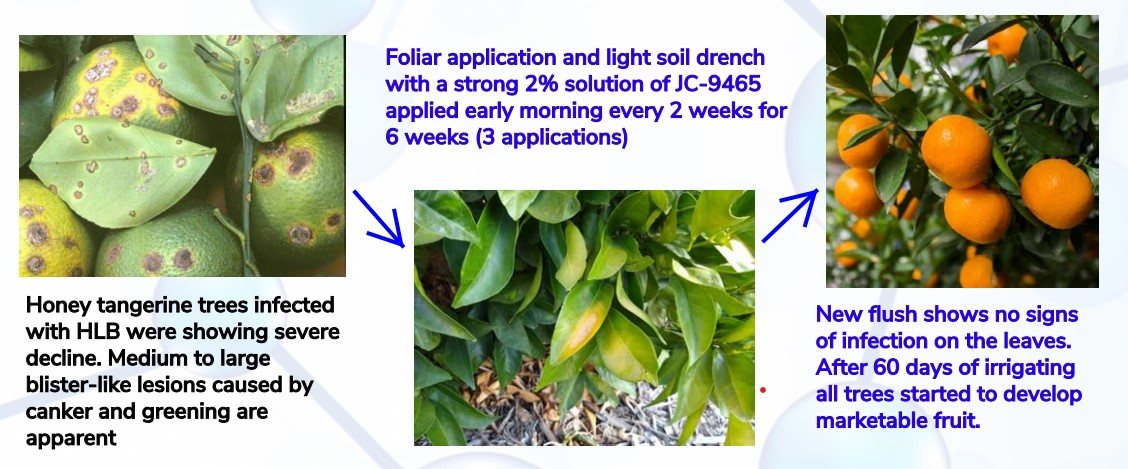
Florida has lost more than 75% of its citrus since 2019 to huanglongbing: 75% of oranges, 85% of grapefruit. Jenfitch, Inc. has worked the problem with GreenAgri Solutions LLC of Springhill, Florida. The protocol is 2% JC 9465 foliar with a light soil drench, early morning every two weeks over six weeks, at ORP above +700 mV.
A single infected tree pushed a healthy new flush inside a week. The trial widened to 20 trees, all of which developed marketable fruit after 60 days, and it is now in its fourth year across two acres with one treated block and one control. See the citrus greening field report.
Xylella fastidiosa (European olives)
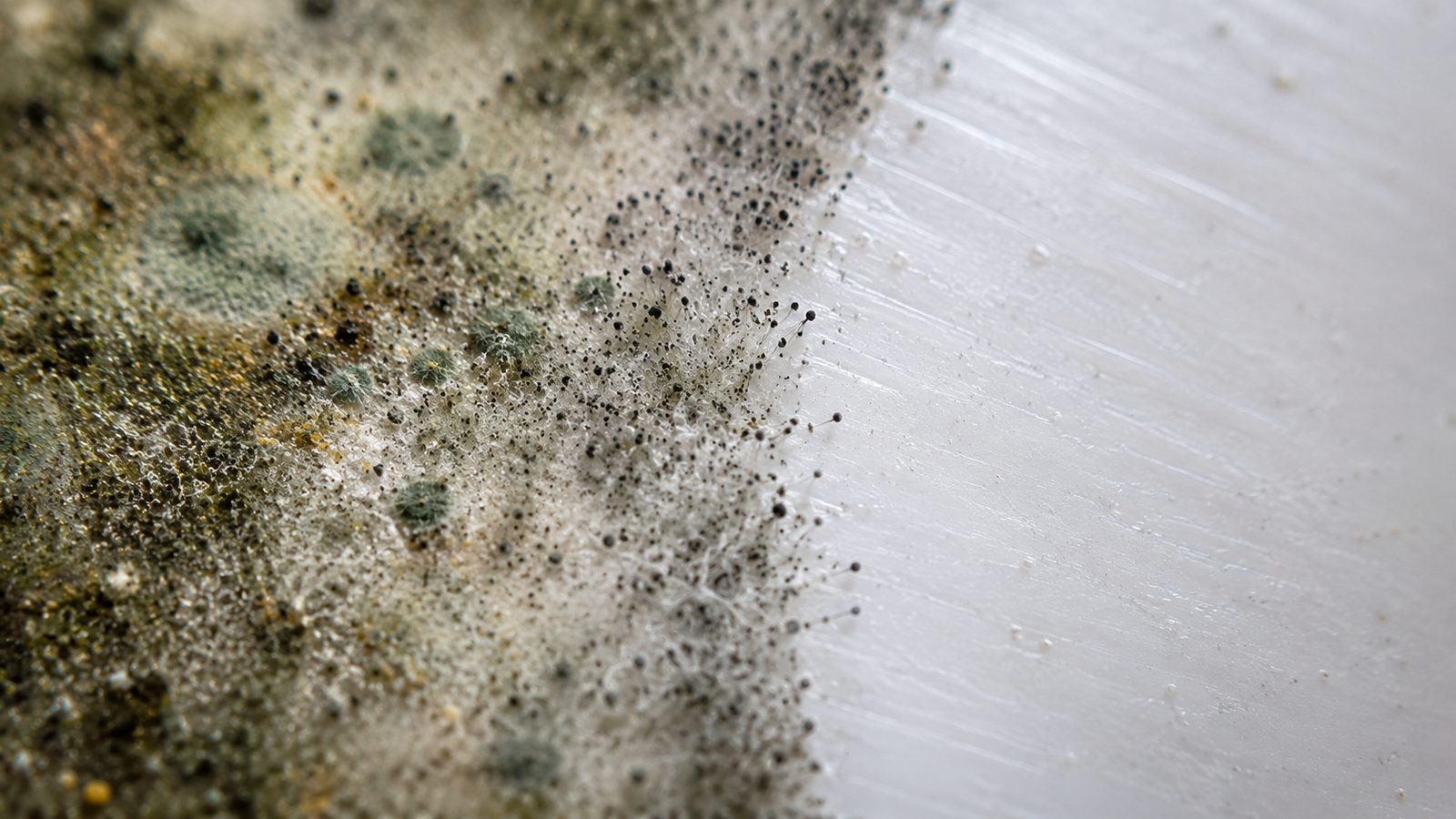
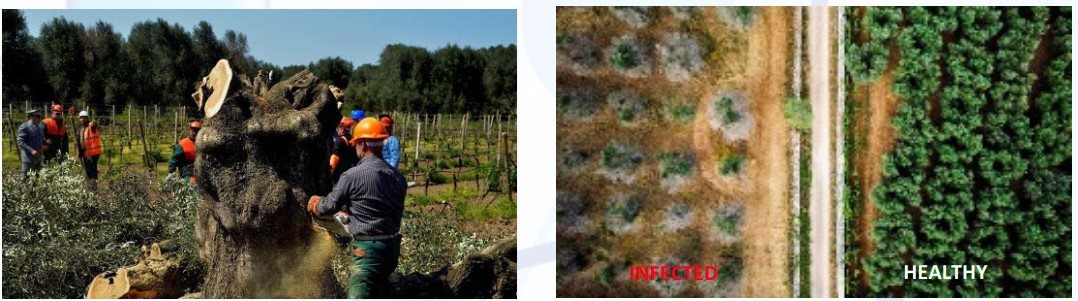
Xylella kills olive trees by building biofilm inside the xylem until water movement stops. The hydroxyl radicals break down the EPS holding that biofilm together and then oxidize the bacterial DNA underneath. Results have been positive and PCR-confirmed trials are expanding — more in the work on Xylella.
Bakanae in rice
Bakanae (Fusarium fujikuroi) costs Southeast Asian rice growers roughly 30% of yield. In testing, treatment brought that loss below 10%.
How does ROS improve post-harvest safety?
The UC Davis Post-Harvest department measured a 6-log CFU reduction on E. coli, Listeria, and Salmonella in under 10 seconds at +700 mV — fast enough for line speed in a dump tank or hydro-cooler, with no hold time.
The University of Washington studied cross-contamination during apple harvesting, where one infected lot seeds a whole tank. Holding wash water at the ORP setpoint prevents that. Shelf life extends without a change in taste. More on food safety and produce quality.
Certifications
- EPA FIFRA registered (2020)
- USDA NOP Organic certified (2021, 7 CFR Part 205)
- USEPA water approved
- JC 9465 and JC 9450, the same chemistry in technical service, are certified to NSF/ANSI/CAN Standard 60 at a maximum dose of 84 mg/L
Frequently asked questions
Can JC 9465 be used on certified organic crops?
Yes. It is certified to the USDA National Organic Program under 7 CFR Part 205, alongside its EPA FIFRA pesticide registration. That combination lets a grower run one material on organic and conventional blocks instead of two chemical programs. Confirm the specific use against the label and your certifier's requirements.
How do I control the rate in the field?
By ORP rather than by ppm. An oxidation-reduction potential meter reads how much oxidizing work the water can still do, which is what actually determines kill. In-field and post-harvest disinfection targets run +650 to +750 mV. Above +700 mV the reduction is 6-log in under 10 seconds.
What rates were used in the Selma vineyard trial?
Sawtooth Ag Research applied 78 mg/L through soil irrigation and 390 mg/L as a foliar spray, four times across the 2023 season on mature French Colombard. Foliar-treated vines showed 49% more harvestable yield, 50% less sour rot, and 73 clusters per vine against 60 on the control — trial results from one block and season.
Can it go through the irrigation system?
Yes. Injection into drip or irrigation lines delivers it to the root zone and clears the biofilm that plugs emitters and cuts line flow. Growers also apply it as a foliar spray, a soil drench, and a seed treatment, so one product covers most of the crop cycle.
Can the same product be used in post-harvest wash water?
Yes — wash water, dump tanks, hydro-cooler water, and packing ice. UC Davis measured a 6-log reduction on E. coli, Listeria, and Salmonella in under 10 seconds at +700 mV, fast enough for line speed. University of Washington work looked at cross-contamination during apple harvest, the main risk a wash tank creates.
Have a water challenge like this?
Talk to Jenfitch about JC 9465, safety data sheets, or scoping a treatment program for your facility.