A field study with GreenAgri Solutions, LLC in Florida tested JC 9465, a mineral oxychloride disinfectant, against the bacteria affecting fruit trees. The reactive oxygen species (ROS) oxidant offers a natural defense against Xylella fastidiosa and related citrus disease.
The field study
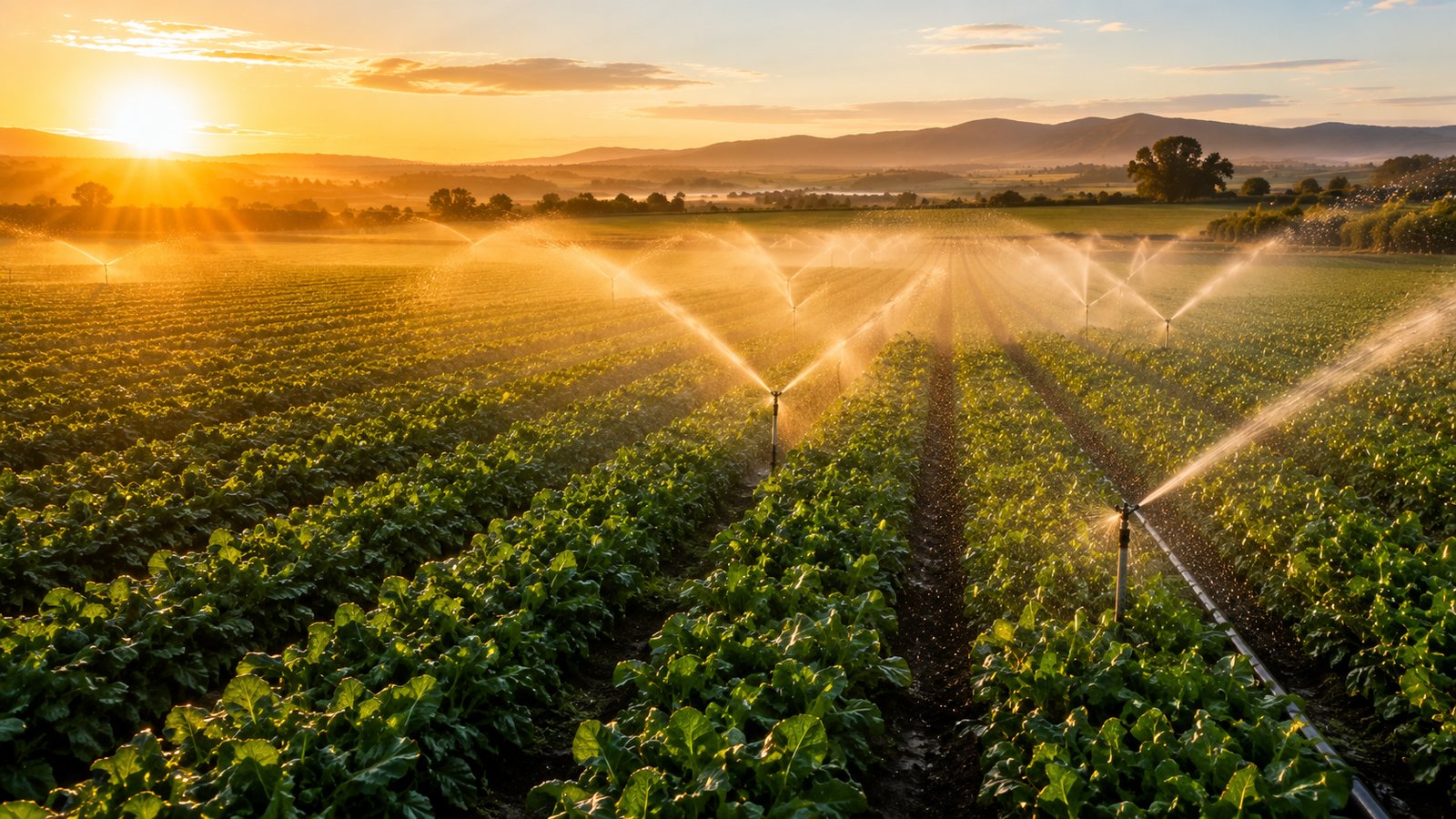
Keith Warren conducted four years of experimental testing on Huanglongbing (HLB) control. During a 90-day trial, the citrus orchard used root flood irrigation three times weekly with a +750mV solution (25 mg/l of JC 9465), plus evening fogging twice weekly at 3 oz per gallon of water. Within three weeks, treated trees began developing new foliage and fruit production resumed.
How does JC 9465 work?
JC 9465 functions as a reactive oxygen species (ROS) oxidant. It generates a hydroxyl radical ion that attacks the extra-polymeric substance (EPS) protecting bacterial biofilms, then follows with oxidative attack on bacterial DNA to prevent replication.
Scientific context
Research from Rutgers University, co-authored by James White, documented how specific soil bacteria stimulate root hair growth through ethylene production and nitrogen cycling via superoxide-nitric oxide interactions.
Efficacy data
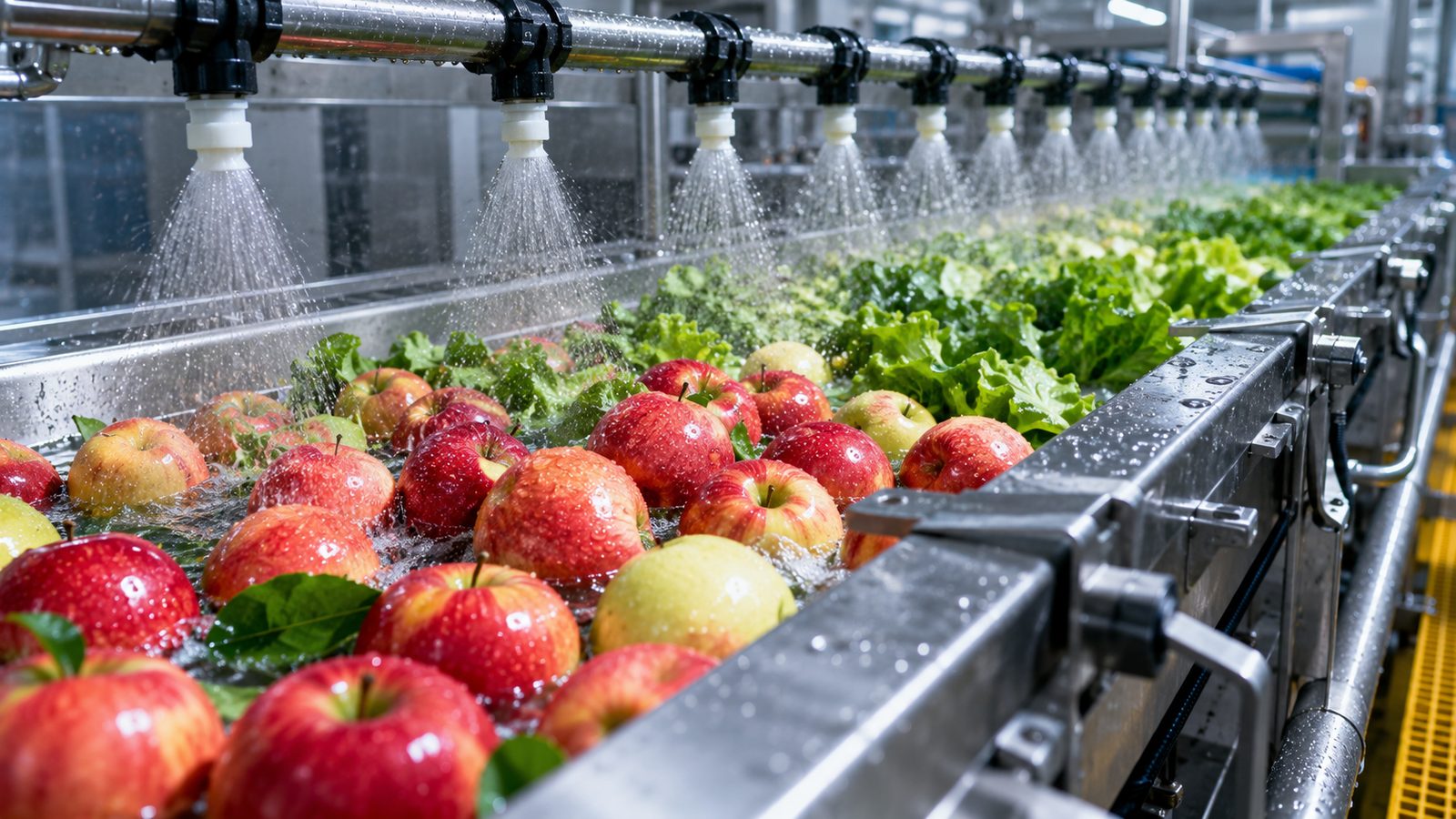
Studies at UC Davis indicated JC 9465 at +700mV inactivated E. coli and salmonella in less than 10 seconds. Hydroxyl radical ions are twice as potent as chlorine.
At +700mV, JC 9465 inactivated E. coli and salmonella in less than 10 seconds.
What does Xylella fastidiosa do to trees?
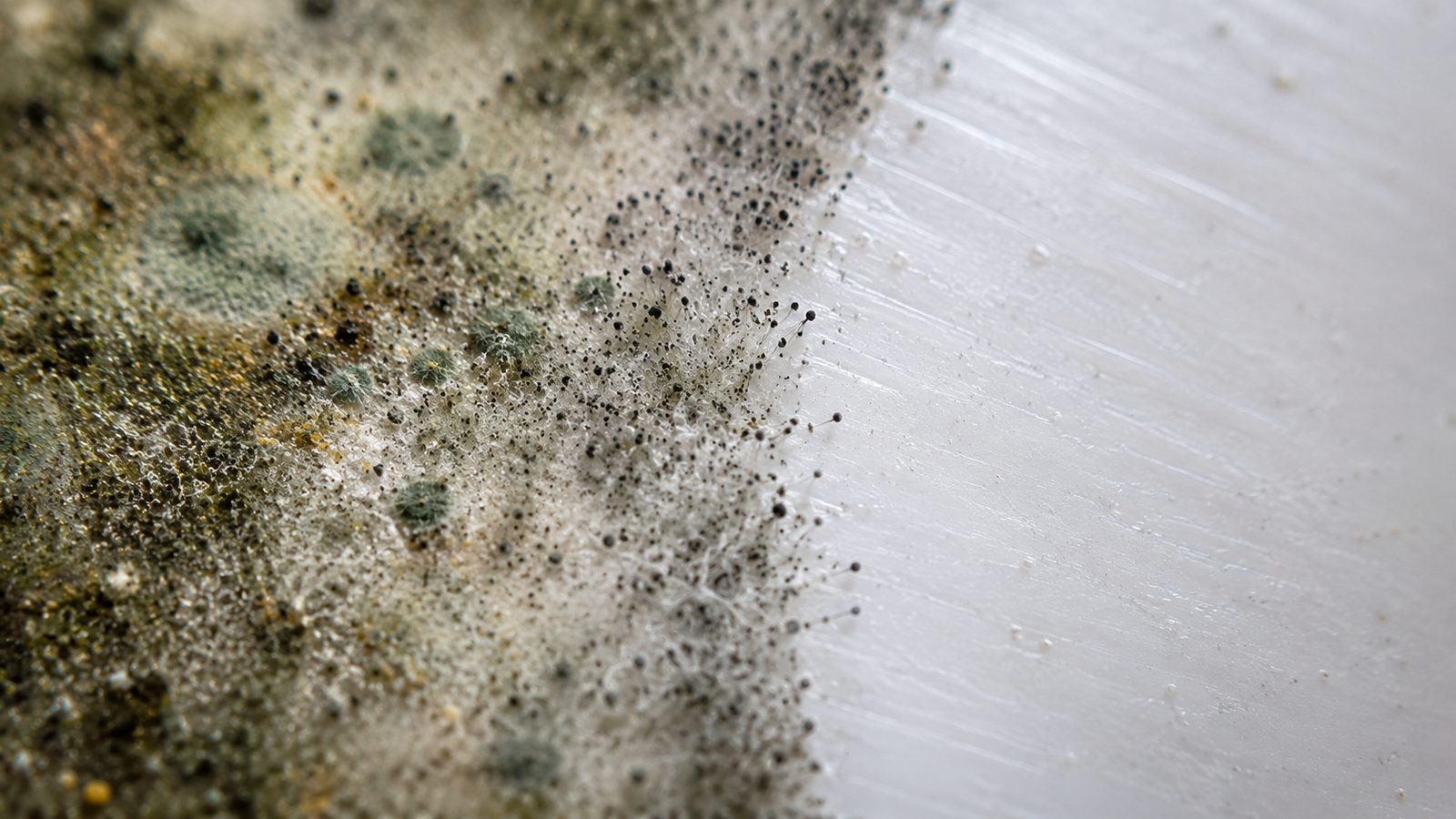
Xylella fastidiosa is a xylem-limited bacterium. It does not rot fruit or spot leaves in the way a fungal pathogen does; it colonises the water-conducting tissue and forms a biofilm inside it, and the tree effectively dies of thirst in wet soil. That single fact explains why the disease is so difficult to treat. The organism sits inside the plant's plumbing, behind a wall of extracellular polymeric substance (EPS) that it secretes itself, in a compartment that most foliar chemistry never reaches.
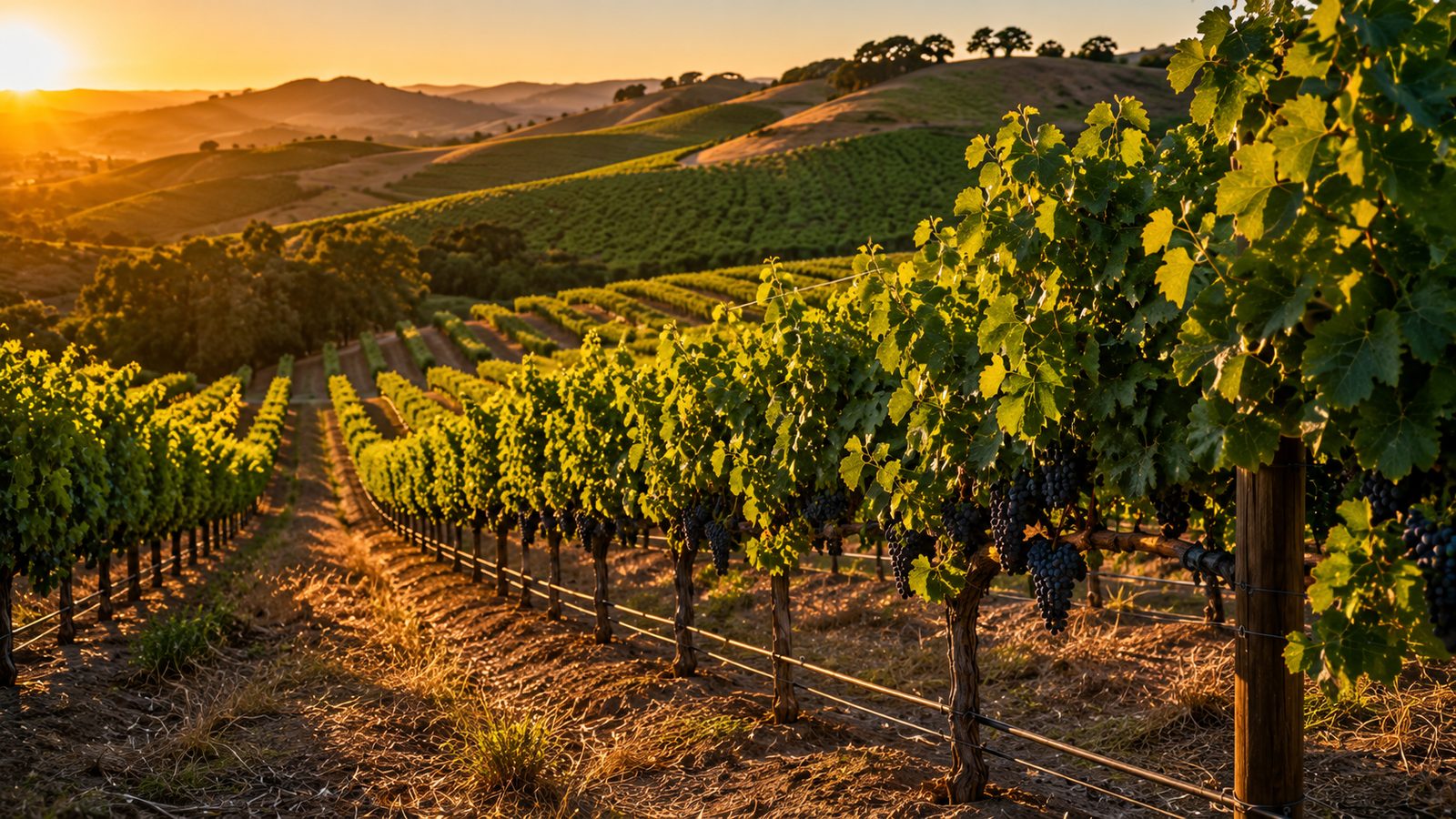
The same architecture appears across the diseases the bacterium causes — Pierce's disease in grapevines, olive quick decline, almond leaf scorch, and citrus variegated chlorosis — and it is why control programmes have historically been aimed at the insect vector rather than the pathogen. Huanglongbing (citrus greening), caused by a different xylem- and phloem-limited organism, presents the grower with the same practical problem: a bacterium protected by biofilm inside vascular tissue.
What is the two-stage oxidative mechanism?
JC 9465 is a mineral oxychloride that generates a family of reactive oxygen species — superoxide, hydroxyl radical, singlet oxygen, hydroperoxyl, and peroxide — at an oxidation potential of 2.8–2.9 V. That is second only to fluorine at 3.06 V, on par with the hydroxyl radical itself at 2.80 V, and well above ozone (2.07 V), chlorine dioxide (1.57 V), chlorine gas (1.36 V), and sodium hypochlorite (0.94 V).
| Oxidant | Oxidation potential (V) |
|---|---|
| Fluorine | 3.06 |
| JC 9465 mineral oxychloride | 2.8–2.9 |
| Hydroxyl radical | 2.80 |
| Ozone | 2.07 |
| Chlorine dioxide | 1.57 |
| Chlorine gas | 1.36 |
| Sodium hypochlorite | 0.94 |
The sequence matters as much as the potential. The first stage is the EPS: the radical population depolymerises the protective matrix, which is the step conventional bactericides do not accomplish. Only once that shield is opened does the second stage — oxidative attack on bacterial DNA, preventing replication — become possible. This is the same mechanism described in our work on biofilm removal in industrial systems; the substrate changes, the chemistry does not.
How is it applied and dosed?
The Florida programme dosed to an ORP setpoint rather than to a ppm figure. Root-flood irrigation ran three times weekly at +750 mV, equivalent to about 25 mg/L of JC 9465, with evening fogging twice weekly at 3 oz per gallon. The choice of +750 mV is not arbitrary: it sits at the top of the in-field and post-harvest disinfection band.
| Application | Target ORP |
|---|---|
| In-field and post-harvest disinfection | 650–750 mV |
| Drinking-water disinfection | 650–750 mV |
| Biofilm / EPS destruction | 600–800 mV |
| Sterilization | +800 mV |
Evening application is deliberate. Lower temperature and lower light reduce evaporative loss and extend the contact time on leaf and bark surfaces. The effective pH range is 4–9, which covers most irrigation water without adjustment, and dosing is to the ORP setpoint rather than to a fixed concentration so that the programme self-corrects for organic load in the irrigation source.
Where does this fit with other agricultural work?
The Rutgers work on soil bacteria stimulating root-hair growth through ethylene production and superoxide–nitric-oxide nitrogen cycling is relevant context rather than a claim about this product: it establishes that reactive oxygen and nitrogen species are part of normal root-zone signalling, not foreign to it.
On the disinfection side, UC Davis testing showed JC 9465 at +700 mV inactivating E. coli and Salmonella in under 10 seconds. Against Salmonella, JC 9465 achieved a 6.60-log reduction at 2 ppm, where sodium hypochlorite required 100 ppm to reach 6.49 log and managed only 2.02 log at 10 ppm.
JC 9465 is EPA FIFRA registered as a biocide and algaecide and USDA National Organic Program certified, which is what makes it usable in organic citrus and vineyard operations — see the EPA and USDA approval announcement. Related field work includes the citrus greening case study, ROS in agriculture, the Sawtooth vineyard sour-rot trial, and powdery mildew control. The full library is under agricultural research and Food & Agriculture.
Frequently asked questions
Why is Xylella fastidiosa so hard to control?
It is xylem-limited. The bacterium colonises the water-conducting tissue inside the plant and protects itself with an extracellular polymeric biofilm, so it sits behind a barrier that most foliar chemistry never reaches. Control programmes have historically targeted the insect vector instead.
How does a reactive oxygen species approach differ?
It works in two stages. JC 9465 generates a hydroxyl radical ion, and that radical population first depolymerises the extracellular polymeric substance shielding the colony, then attacks bacterial DNA to prevent replication. Conventional bactericides generally do not accomplish the first stage. Removing the protective layer matters because a biofilm keeps the organisms inside it out of reach, so an agent that cannot breach it has limited effect on an established colony.
What was the application schedule in the Florida field study?
Root-flood irrigation three times weekly at a plus 750 mV solution, roughly 25 mg/L of JC 9465, plus evening fogging twice weekly at 3 oz per gallon of water. Treated trees began developing new foliage within three weeks and fruit production resumed.
Why apply in the evening?
Lower temperature and lower light reduce evaporative loss and extend contact time on leaf and bark surfaces. In the Florida field study the orchard was fogged in the evening twice weekly at 3 oz per gallon of water, alongside root flood irrigation three times weekly. Keeping the applied solution on the surface longer gives the oxidant more time to act before the spray dries off the tree.
Is JC 9465 approved for organic growing?
JC 9465 is EPA FIFRA registered as a biocide and algaecide and is certified under the USDA National Organic Program, which is what allows its use in certified organic citrus and vineyard operations. The Florida field study with GreenAgri Solutions, LLC applied it in a citrus orchard through root flood irrigation three times weekly and evening fogging twice weekly, under those same certifications.
Have a water challenge like this?
Talk to Jenfitch about JC 9465, safety data sheets, or scoping a treatment program for your facility.